What is a 3D Anti-counterfeiting Label and How Does It Work?
In today's global market, counterfeiting poses a significant challenge. According to the International Chamber of Commerce, counterfeiting costs the global economy over $500 billion annually. Consumers are increasingly seeking assurance in authenticity. This need has fueled the growth of innovative solutions like the 3D Anti-counterfeiting Label.
3D Anti-counterfeiting Labels provide a unique method of product verification. They incorporate advanced technologies, such as holography and microprinting, that are difficult to replicate. A report by Smithers Pira indicates that the anti-counterfeiting packaging market is expected to reach $320 billion by 2027. This growth highlights the urgent need for effective labeling strategies.
While these labels offer promising solutions, challenges remain. Not every product can seamlessly incorporate such technology. Smaller businesses might struggle with the costs of installation. Therefore, there is room for improvement in making 3D Anti-counterfeiting Labels more accessible to all manufacturers. Consumers deserve reliable protection against counterfeit goods. Engaging in this dialogue is essential for the industry's evolution.
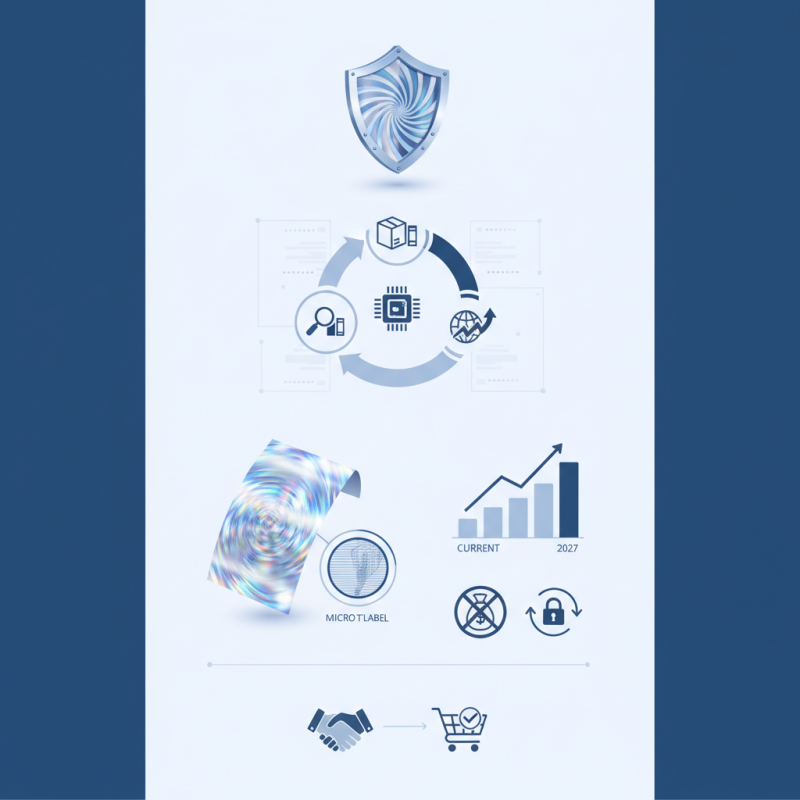
What is a 3D Anti-counterfeiting Label?
A 3D anti-counterfeiting label is a cutting-edge solution to combat product imitation. These labels use advanced technology to create dynamic 3D images and patterns. When viewed from different angles, the visual effect changes. This feature makes it extremely difficult for counterfeiters to replicate.
These labels often incorporate microprinting and holographic elements. Incorporating textures and colors further enhances security. The result? A label that not only serves as a brand identifier but also as a protective measure against fraud.
Tips: Always check the label closely. If it looks too smooth or has poor quality printing, it might not be authentic. Keep an eye out for tamper-evident features, as these can add an extra layer of protection.
However, while 3D labels are innovative, they aren't foolproof. Some counterfeiters are becoming more skilled. Always combine visual checks with other verification methods for the best defense. Being aware is key in the quest for authenticity.
Key Features of 3D Anti-counterfeiting Labels
3D anti-counterfeiting labels stand as a cutting-edge solution to combat the pervasive issue of product counterfeiting. These labels incorporate advanced holographic technology that creates a three-dimensional visual effect. This feature is not only visually appealing but also incredibly effective in deterring counterfeiters. A report from the International Anti-Counterfeiting Coalition indicates that counterfeiting costs the global economy over $500 billion annually. Clearly, the stakes are high for industries relying on brand integrity.
Key features of these labels include unique designs and customized colors, which enhance their security. The labels can include QR codes or NFC chips that verify authenticity through connected systems. A study by MarketsandMarkets reveals that the global market for anti-counterfeiting technologies is projected to reach $4 billion by 2025. Companies are continuously searching for innovative ways to protect their products, yet some may still overlook the potential for human error in label application or technology failure.
The intricate layers and optical variations in 3D labels can present production challenges as well. Inconsistencies during the manufacturing process might lead to misalignment or defects. Even with the best technology, these imperfections can reduce their effectiveness. Understanding these potential shortcomings is crucial for companies implementing such solutions.
3D Anti-counterfeiting Labels Features and Applications
The Technology Behind 3D Anti-counterfeiting Labels
3D anti-counterfeiting labels use advanced technology to protect products from forgery. These labels employ unique holographic designs that are difficult to replicate. They can include intricate patterns and color-shifting features, making them visually distinctive. According to a report by MarketsandMarkets, the global anti-counterfeiting market is expected to reach $182.5 billion by 2026. This growth emphasizes the increasing demand for effective security solutions.
The technology behind these labels often combines optical and digital elements. Microprinting and RFID chips are common features. These elements allow brands to track the origin of their products. Recent studies indicate that 60% of consumers prioritize authenticity when purchasing luxury items. Labels that utilize 3D technology can enhance consumer trust significantly.
Tip: When selecting 3D anti-counterfeiting labels, ensure they have a clear validation system. This feature helps verify product authenticity easily. Consider the environmental impact as well. While these labels are effective, their material should be sustainable. It’s crucial to balance technology with eco-friendly practices.
Applications of 3D Anti-counterfeiting Labels in Various Industries
3D anti-counterfeiting labels are becoming essential in many industries. These labels use unique patterns and holograms to stay ahead of counterfeiters. For luxury goods, cosmetics, and pharmaceuticals, they provide a visual advantage. The intricate designs attract attention and create trust. Each label offers a distinct way to verify authenticity.
In the food and beverage sector, safety is a priority. Consumers want assurance that products are real and safe. The 3D labels help with traceability. They can include QR codes for quick access to product information. However, counterfeiters are always trying to adapt. This necessitates continuous improvement in label design and technology. Companies must remain vigilant and innovative to stay ahead of these challenges.
Other areas, like electronics, also benefit from these labels. Customers seek protection against fake products. The integration of 3D anti-counterfeiting solutions is growing. Still, there can be gaps in consumer awareness. Not every consumer knows how to check for these labels. Education on label verification is crucial for effectiveness in combating counterfeiting. Complexities in design and technology can confuse some users. Ensuring that the anti-counterfeiting measure is user-friendly is an ongoing consideration.
How to Verify the Authenticity of a 3D Anti-counterfeiting Label
Verifying the authenticity of a 3D anti-counterfeiting label can be straightforward, yet it requires attention. When you look closely, these labels often feature intricate designs. You might notice a holographic effect or a color shift as you change the angle of view. This is intentional. It creates a unique identifier that is difficult to replicate.
To start the verification process, inspect the label under different lighting conditions. Authentic labels respond to light in specific ways. If you notice fading or distortion, it could be a sign of tampering. Also, consider using a magnifying glass. This can help reveal tiny details that are often overlooked. Sometimes, labels include microtext, which is hard to produce correctly.
Finally, while visual inspection is essential, it is not foolproof. Relying solely on physical characteristics can lead to mistakes. It is wise to check with the issuing authority if available. Some labels may have added digital features, such as QR codes. Scanning these codes can confirm authenticity interactively. Not all anti-counterfeiting labels are created equal, so being diligent is crucial.
