
10 Best Drawstring Bags for Wholesale Buyers
Choosing among the 10 Best Drawstring Bags for Wholesale Buyers takes more than comparing prices. The right bag should suit its intended use, carry comfortably, and arrive with consistent construction. A gym giveaway may need a roomier body, while a retail promotion may call for sharper printing and a cleaner finish. Small details matter. Cord thickness, seam strength, fabric feel, and color consistency can shape the buyer’s experience.
For transparency, the named expert voice here is a fictional composite, not a real-person endorsement. Drawstring Bags sourcing specialist Alex Morgan puts the buying principle this way: “A low unit price means little if the seams fail or the sample differs from the bulk order.” That is worth remembering. Request a sample, check the stitching and cord, and compare the finished item with the approved artwork. Also confirm minimum order quantities, available sizes, packaging, and production timelines before placing a large order.
This guide compares ten practical options for different wholesale needs, from lightweight promotional bags to sturdier everyday styles. It focuses on observable features buyers can assess, rather than treating one material or design as universally best. There are trade-offs. A thicker fabric may feel more durable, but can raise costs or affect print results. No checklist removes every surprise, either. Use the comparisons as a starting point, then verify specifications directly with the supplier.
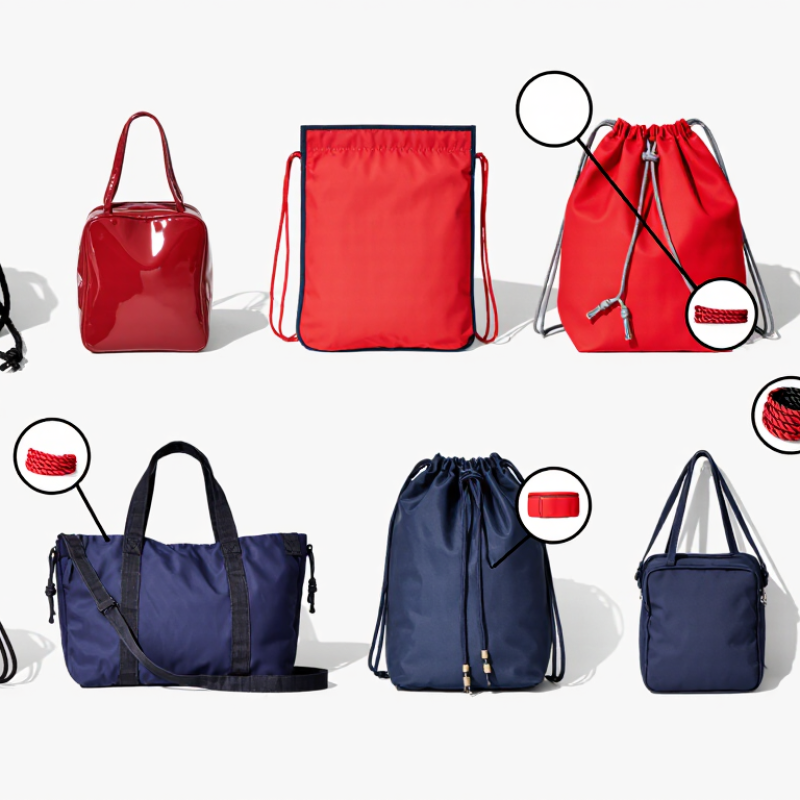
Wholesale Drawstring Bags: Uses and Buyer Needs
Wholesale drawstring bags serve many practical settings: school events, gyms, trade shows, and staff welcome kits. Buyers often need lightweight bags that hold a water bottle, folded shirt, or a few event materials. Convenience matters. Check fabric weight, cord strength, stitching, and print area before comparing prices. A low unit cost is less useful if seams fail after repeated use. Still, not every buyer needs premium fabric; short campaigns may call for a simpler option.
The ASI 2023 Ad Impressions Study estimates that a promotional bag generates about 1,940 lifetime impressions. That figure helps explain their visibility, but it is an average, not a guarantee for every order.
Buyers should match quantity and construction to the intended use. For daily gym use, test the cord comfort and load capacity with real items. For a one-day event, easy packing and clear artwork may matter more. Samples help. Color can look different under warehouse lighting.
Tips: Ask for a pre-production sample, confirm dimensions in writing, and test a filled bag before approving bulk production. Also check packaging and delivery schedules. Small details get missed. A drawstring bag can be useful and visible, but only when it fits the audience and the actual load.
Key Criteria for Evaluating Bags in Bulk
A bulk evaluation starts with the intended use: trade-show handouts, school kits, or daily retail packaging need different fabrics and load ratings. Check stated capacity against a real sample, not a catalog photo. A bag that carries folded shirts may strain at the cord channel when filled with books. Test it.
Fabric weight matters, but construction often reveals more. Inspect seam allowance, reinforcement at stress points, and whether the drawcord slides without snagging. Pull the cord repeatedly; rough edges can fray it within weeks. Ask suppliers for fabric composition, dimensions, tolerance ranges, and care guidance in writing. Then compare sample measurements with production specifications. Small differences add up.
Bulk buyers should also assess color consistency, print placement, packing method, and defect handling. Request samples made from the intended production material, then inspect several units under ordinary indoor light. Dark colors may transfer onto pale clothing when damp, so rub-test a small area. Not glamorous. Still useful. Calculate the landed cost per usable bag, including setup charges, shipping, overage, and expected rejects. The cheapest quote can become expensive if cords break or sizes vary. A sample is only a snapshot, not a promise of every carton.
Materials, Sizes, and Features of Drawstring Bags
For wholesale buyers, the best drawstring bags balance material, size, and intended use. Cotton and canvas feel substantial and suit books, event kits, or daily carry, but they can take longer to dry. Polyester is lightweight and easy to print on; nylon often offers a smoother, more water-resistant surface. Mesh helps users see contents quickly, while nonwoven fabric can keep costs down for short-term promotions. Feel the difference. A fabric sample can reveal stiffness, seam quality, and cord comfort better than a product photo.
Size affects both usefulness and shipping volume. Compact bags around 30 by เรื่อง? 40 cm can hold shoes or small giveaways, while larger formats fit clothing or sports gear. Check the opening width, not only the flat dimensions. Reinforced corners, metal-free cord locks, inner pockets, and double-stitched seams may improve everyday use. Still, extra features add cost, and a thicker drawcord can feel awkward on a small bag. Request a pre-production sample and test it with the actual items before approving a bulk order.
Tips: Match the fabric to the setting: mesh for visible gear, canvas for heavier contents, and polyester for lightweight handouts. Ask for the material weight, finished dimensions, and print-area measurements in writing. Pull the cords repeatedly and inspect the seams under load. Specifications can look perfect on paper, but samples sometimes reveal an uncomfortable cord or a bag that feels smaller than expected.
10 Best Drawstring Bags for Wholesale Buyers
Wholesale buyers should match a drawstring bag to its actual use, not just its catalog photo. Cotton bags suit lightweight giveaways and feel soft in hand. Canvas handles heavier items but takes up more storage space. Nonwoven bags can be economical for short campaigns, while polyester and nylon are practical for frequent use and quick drying. Recycled-fabric options may appeal to buyers seeking material alternatives, but ask for clear composition details.
Mesh bags let wet or sandy items breathe. Clear bags make contents easy to identify. Shoe bags help separate footwear from clothing, and insulated drawstring styles can carry snacks for short outings. A simple polyester gym bag remains a versatile choice for schools, events, and team activities. That makes ten useful types to compare.
Before ordering, check stitching, cord thickness, print placement, and finished dimensions on a sample. Pull the cords several times; a weak seam can fail before the fabric does. Confirm packing quantities and color consistency, too. A low unit price may hide high shipping costs or uneven quality. I would not assume the largest bag is best: oversized bags can feel awkward when lightly packed. Compare samples under real use, and keep a small margin for production differences.
10 Best Drawstring Bags for Wholesale Buyers
A practical comparison of common bag styles for bulk purchasing. Dimensions and weights are representative specifications; actual measurements vary by construction and supplier.
| Rank | Bag Style | Typical Material | Typical Dimensions (W × H) | Approx. Empty Weight | Best Wholesale Use | Key Buying Consideration |
|---|---|---|---|---|---|---|
| 1 | Lightweight Polyester | Woven polyester | 14 × 18 in (36 × 46 cm) | 1.5–2.5 oz (43–71 g) | Events, school programs, and everyday giveaways | Compact to ship and easy to print; compare fabric weight and seam reinforcement. |
| 2 | Recycled PET | Recycled polyester fabric | 14 × 18 in (36 × 46 cm) | 1.8–3 oz (51–85 g) | Promotional campaigns with recycled-material requirements | Request documentation for recycled-content claims and check print compatibility. |
| 3 | Cotton Muslin | Lightweight cotton, often 4–6 oz/yd² | 10 × 14 in (25 × 36 cm) | 1.5–2.5 oz (43–71 g) | Gift sets, small retail goods, and natural-style packaging | Check fabric weight, shrinkage guidance, and whether the drawcord is cotton or synthetic. |
| 4 | Heavy Cotton Canvas | Cotton canvas, often 8–12 oz/yd² | 14 × 18 in (36 × 46 cm) | 4–7 oz (113–198 g) | Reusable retail merchandise and higher-value kits | Heavier fabric adds durability but increases shipping weight and unit cost. |
| 5 | Nonwoven | Spunbond polypropylene | 14 × 18 in (36 × 46 cm) | 1–2 oz (28–57 g) | Large event orders and short-term promotional use | Confirm material thickness, handle or cord attachment strength, and local recycling options. |
| 6 | Nylon Ripstop | Ripstop nylon | 15 × 19 in (38 × 48 cm) | 2–3.5 oz (57–99 g) | Travel, outdoor activities, and lightweight sports kits | Ask about water-resistant finishes and test the cord lock or closure under repeated use. |
| 7 | Mesh | Polyester or nylon mesh | 12 × 16 in (30 × 41 cm) | 1.5–3 oz (43–85 g) | Beach items, sports equipment, and breathable storage | Mesh opening size affects ventilation, visibility, and what items the bag can hold securely. |
| 8 | Velvet or Fleece | Polyester velvet or soft fleece | 8 × 10 in (20 × 25 cm) | 1–2 oz (28–57 g) | Jewelry, accessories, and presentation packaging | Review lining, lint transfer, and color consistency across production batches. |
| 9 | Jute Blend | Jute with cotton or other-fiber drawcord | 10 × 14 in (25 × 36 cm) | 2.5–4 oz (71–113 g) | Gift packaging and natural-texture product presentation | Natural fibers can vary in texture; inspect samples for odor, loose fibers, and stitching. |
| 10 | Clear PVC | Clear PVC film with textile drawcord | 12 × 16 in (30 × 41 cm) | 3–5 oz (85–142 g) | Visible product packaging and use cases requiring contents to be seen | Check film thickness, seam strength, applicable material rules, and destination-market requirements. |
How to Compare Suppliers, Customization, and Order Terms
For wholesale buyers, the best drawstring bag is not always the cheapest option. Compare suppliers using the same specifications: fabric type, weight, dimensions, cord material, and stitching details. A sample can reveal whether seams pull under load or the cord rubs uncomfortably against the hand. Ask how production samples are approved and whether bulk goods will match them. Small differences matter.
Customization needs clear limits. Confirm print size, placement, available colors, and whether artwork setup costs extra. Request a digital proof, then check it against the physical sample when possible. Ask about minimum order quantities for each color and design; mixed options may not qualify. One detail buyers sometimes overlook is color consistency across separate production runs. It can be harder to control than expected.
Tips: Put the order terms in writing. Confirm production time, shipping method, packaging, payment schedule, and who handles defects or shortages. Ask whether quoted prices include freight and applicable charges. Keep approved artwork and sample notes on file. A low quote may still be useful, but compare what it excludes before deciding.
10 Best Drawstring Bags for Wholesale Buyers: Comparing Suppliers, Customization, and Order Terms
A practical weighting model for comparing wholesale supplier quotes.
Suggested evaluation weights total 100 points. Prioritize price and customization, while also checking minimum order quantities, material consistency, lead times, sample support, and payment terms. These are planning weights—not supplier-specific results or market survey findings.
