Best Product Label Printer for Your Business Needs?
In today’s competitive market, the right Product Label Printer can transform your business operations. A report by Smithers Pira reveals that the global labeling market will reach approximately $41 billion by 2024. This growth emphasizes the need for efficient labeling solutions. Businesses must invest in reliable printers that enhance productivity and brand visibility.
Choosing a Product Label Printer requires careful consideration. Factors such as print speed, resolution, and cost-effectiveness are critical. According to a recent study, 78% of businesses reported improved efficiency after implementing modern label printing technology. However, many companies still grapple with outdated systems, leading to delays and errors in production.
Investing in a top-tier Product Label Printer not only streamlines operations but also strengthens brand identity. A well-designed label communicates trust and quality. Yet, many businesses underestimate the impact of labels on consumer perception. This oversight can hinder growth. Evaluating your specific needs is essential to make an informed decision. Embracing innovation in labeling can ultimately set your brand apart from the competition.
Understanding Different Types of Label Printers Available for Businesses
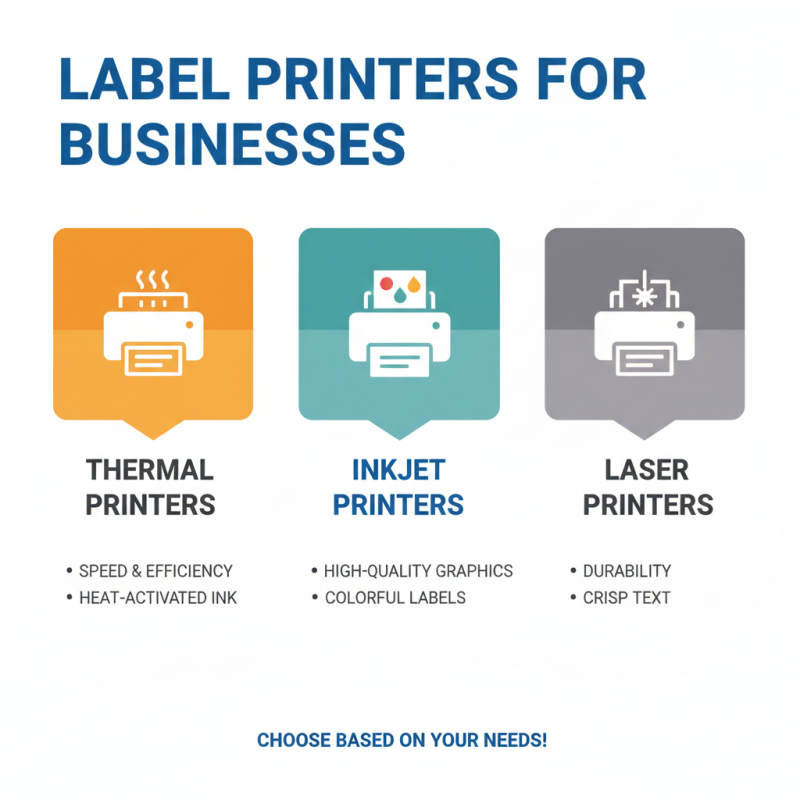
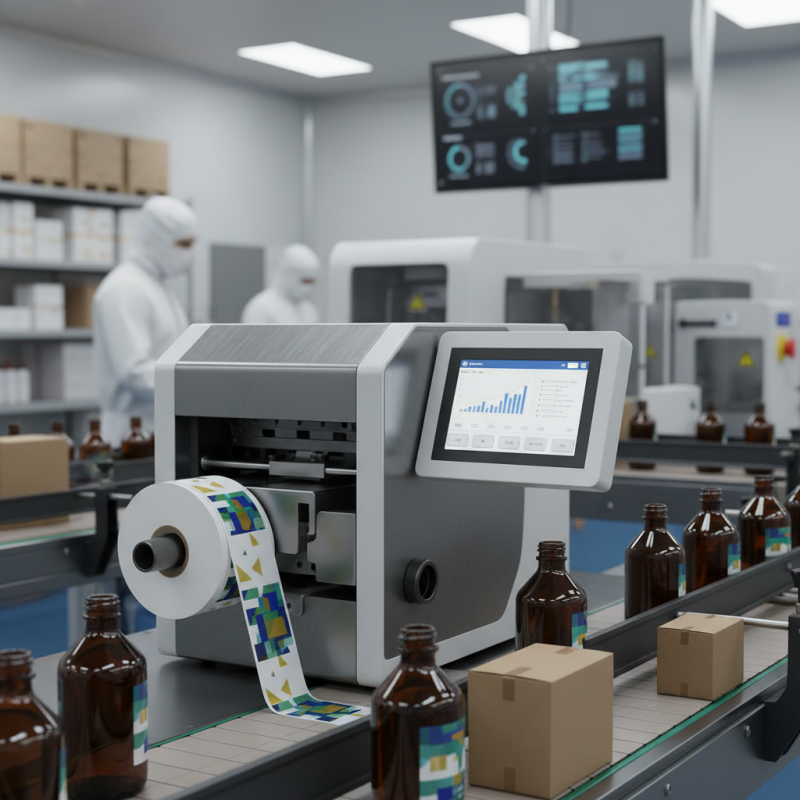
When selecting a label printer for your business, consider the various types available. Thermal printers, for instance, use heat to transfer ink onto labels. They are popular for their speed and efficiency. Inkjet printers, on the other hand, provide high-quality graphics and are ideal for colorful labels. Then there are laser printers, which are known for their durability and crisp text. Each type has its advantages, so knowing your needs is essential.
Tip: Match your printer type with your label design needs. For example, if you require detailed logos or images, an inkjet may be the best option. However, if you print in bulk, a thermal printer could save you time and resources.
It's important to reflect on your current workflows. Are your labels getting damaged easily? This might indicate a need for a sturdier printer. Moreover, consider the software compatibility. Some printers integrate better with specific inventory systems. Testing your options can lead to better performance.
Tip: Don't overlook maintenance. Regular cleaning and updates ensure your printer works effectively. Think about the long-term costs associated with each printer type, including ink or label costs. A more efficient model may initially seem expensive but save money over time.
Key Features to Consider When Selecting a Label Printer
When choosing the best product label printer, several key features deserve careful consideration. First, print quality is paramount. A printer that produces sharp and clear labels can enhance your brand image. High-resolution printing can make a difference in attracting customers. Pay attention to the DPI (dots per inch) rating; higher numbers yield better results.
Next, consider the printer's speed. Efficient printers save time, especially in high-demand settings. Look for models that provide fast printing without compromising quality. Also, evaluate the connectivity options. Modern printers should easily integrate with your existing systems. USB, Wi-Fi, and Bluetooth capabilities can improve workflow and ease of use.
Finally, durability and ease of maintenance are crucial. A label printer should withstand the rigors of daily use. Regular upkeep matters to avoid frequent downtimes. Think about the size, too. Compact models may fit in limited spaces but ensure they meet your volume needs. Balancing these features can be tricky but is essential for making the right choice.
Best Product Label Printer for Your Business Needs? - Key Features to Consider When Selecting a Label Printer
| Feature |
Description |
Considerations |
| Print Speed |
Measuring how many labels can be printed per minute. |
A higher speed is beneficial for high-volume printing needs. |
| Print Resolution |
The clarity of the printed label, usually measured in DPI. |
Higher resolution is important for detailed graphics or barcode scanning. |
| Connectivity Options |
Method of connecting the printer to your computer or network. |
Look for USB, Bluetooth, and Wi-Fi access for flexibility. |
| Label Size Compatibility |
Range of label sizes the printer can handle. |
Ensure the printer can accommodate the sizes you need for your products. |
| Durability |
Build quality and lifespan of the printer. |
Business needs may require heavy-duty models for frequent use. |
| Software Compatibility |
Types of design and printing software that work with the printer. |
Look for user-friendly software that meets your design needs. |
| Cost of Consumables |
Ongoing costs for labels, ink, or toner. |
Consider total cost of ownership for budget planning. |
Top Brands of Label Printers and Their Unique Offerings
When evaluating label printers, consider key factors. Some leading brands offer unique features suited to various business needs. For instance, wireless connectivity and mobile app integration enhance usability. Reports suggest that 70% of businesses prefer printers that can connect to multiple devices, improving workflow efficiency.
High-quality printing is crucial. Research shows that 90% of consumers notice good labeling. Crisp, clear labels attract attention and convey professionalism. Users often overlook the importance of label materials. Choosing durable materials can reduce reprints and waste.
Tips: Assess your workload before selecting a printer. If you print high volumes frequently, consider a model with fast printing speeds. Regular maintenance can prolong printer life, ensuring consistent performance. Always compare the cost of consumables, as this impacts your overall budget.
Cost Analysis: Budgeting for a Label Printer Purchase
When considering a label printer for your business, budgeting is essential. The cost of a label printer can vary widely. Basic models may start around a few hundred dollars, while advanced printers can reach thousands. Assess your needs carefully. Do you require high-volume printing or specialized labels?
Maintenance costs also factor into your budget. Regular ink or toner replacements can add up. And don't forget about other supplies. Label rolls and cleaning kits are necessary. Investing in quality materials may seem costly, but it often results in better prints.
Consider your business's growth. A cheaper printer may suffice for now, but it might become inadequate as you expand. Will you need to print more labels? Think about future needs. Sometimes, it’s worthwhile to invest slightly more upfront for longevity and efficiency. Reflect on past purchases too; did you choose the right equipment? Learning from those experiences helps refine your budgeting process.
Best Product Label Printer Cost Analysis
This chart displays a cost analysis of different types of label printers that may suit your business needs. Each category showcases the estimated purchase cost, helping you to budget effectively for your label printer purchase.
Tips for Maintaining and Optimizing Your Label Printer Performance
Maintaining and optimizing your label printer's performance is crucial for efficiency. Regular cleaning is essential. Dust and debris can affect print quality. Using a soft cloth is often sufficient for external surfaces. For internal parts, follow the manufacturer’s guidelines. Ensure you replace worn-out parts promptly. This can greatly improve overall performance.
Calibration also plays a key role. Correctly setting the print density and speed can enhance print clarity. Utilize the printer's software to adjust these settings. Experiment with different configurations to find the best fit for your labels. Additionally, stay vigilant for software updates. These updates can improve functionality and introduce new features.
Another area often overlooked is label material. Choosing the wrong type can lead to smudging or poor adhesion. Test various materials to find what works best. It’s important to reflect on your printing needs. Sometimes, a minor tweak in setup can yield significant results. Regular assessment of your printer's output can help identify issues early.