How to Choose Opp Plastic Packaging at the 139th Canton Fair?
At the 139th Canton Fair, the focus on Opp Plastic Packaging becomes increasingly significant. The packaging industry has shown a steady growth rate of around 4.7% annually, which highlights its vital role in various markets. Opp Plastic Packaging is known for its lightweight, durability, and excellent barrier properties, making it a preferred choice in food and consumer goods sectors.
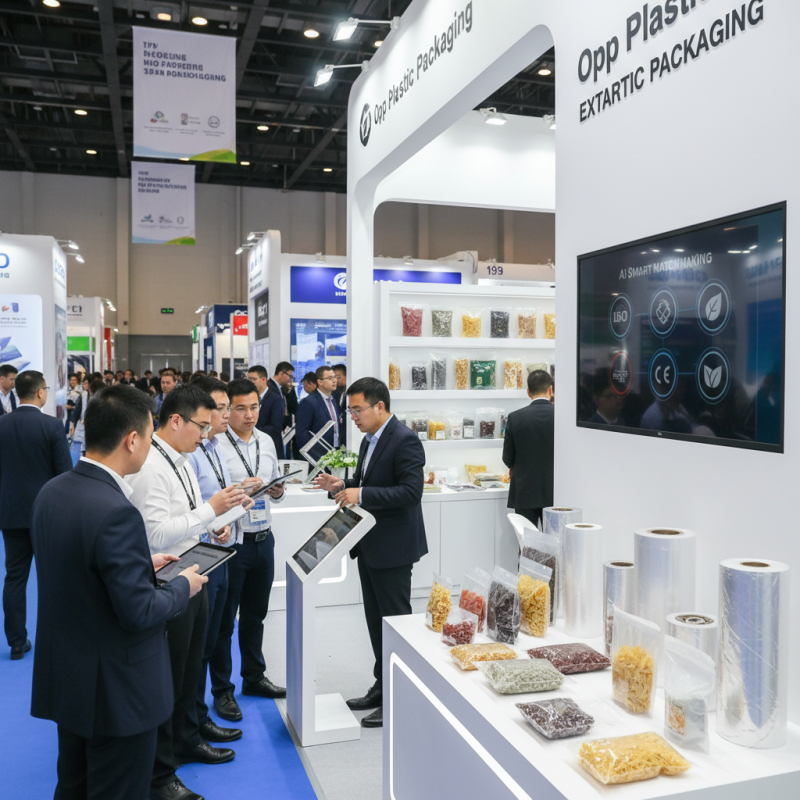
Purchasers attending the fair will benefit from enhanced AI features. The AI tools can assist in identifying suppliers that meet specific certifications, such as ISO and CE. This streamlining can improve decision-making processes in selecting high-quality Opp Plastic Packaging suppliers. However, buyers must remain cautious. Not all suppliers meet the necessary standards, and poor-quality materials can lead to product deterioration.
Understanding the demand for sustainable packaging is crucial. A report indicates that approximately 60% of consumers prefer brands that use eco-friendly materials. As the market evolves, selecting the right Opp Plastic Packaging should not only depend on cost but also on environmental impact. This nuanced approach ensures a balance between affordability and sustainability.
How to Assess the Quality of Opp Plastic Packaging Materials
Assessing the quality of OPP plastic packaging materials is crucial for making informed purchasing decisions. Begin by examining the thickness of the film. Thicker films often indicate better durability. A thickness of at least 30 microns can provide a good balance between strength and flexibility. Check for any weaknesses, such as tears or weaknesses in the material. A defect can indicate inferior quality.
Another important factor is clarity. High-quality OPP films should be crystal clear and visually appealing. Look to see if there are any impurities or bubbles. Such issues may affect the packaging's presentation. Additionally, consider its resistance to moisture and chemicals. Quality films often have a higher resistance, which is essential in preserving the contents.
Finally, assess the flexibility of the material. Bend it to see if it retains its shape or crumbles easily. Some packages may appear fine when flat but can become problematic when filled. Reflect on the appearance of the seals and edges, too. Uneven seals can lead to leaks or packaging failure. Selecting OPP plastic packaging is a mix of observation and experimentation. Choose wisely to ensure the best results.
Quality Assessment of OPP Plastic Packaging Materials
This chart displays the quality assessment of OPP plastic packaging materials based on five key dimensions. Each dimension is rated on a scale from 1 to 10, providing insights into essential quality factors that buyers should consider when selecting packaging materials.
Understanding Opp Plastic Packaging Market Trends at the Canton Fair
The 139th Canton Fair showcases the diverse world of Opp plastic packaging. Understanding market trends is crucial. Visitors often notice the growing focus on sustainability. Eco-friendly materials are in high demand. Buyers should pay attention to the latest innovations. For instance, plants in the area show advances in biodegradable options.
The rise of e-commerce influences packaging needs. Online retailers require durable and lightweight solutions. Observing color choices is also important. Bold colors attract attention, while pastels suggest minimalism. Mistakes happen when companies overlook quality amidst trends. Quality should never be compromised for style.
Engaging with suppliers can reveal insights about future trends. Conversations often surface surprising challenges, like sourcing raw materials. Understanding these aspects can guide smarter decisions. Following trends can be beneficial but requires critical thinking. Not every trend will suit every market. Careful consideration leads to better outcomes in packaging choices.
How to Choose Opp Plastic Packaging at the 139th Canton Fair? | Packaging Type | Thickness (microns) | Usage | Market Trend | Average Price (USD) |
| Clear OPP | 20 | Food Packaging | Growing Preference | 0.05 - 0.10 |
| Printed OPP | 30 | Retail Packaging | High Demand | 0.15 - 0.25 |
| Metalized OPP | 40 | Snack Packaging | Increasing Popularity | 0.20 - 0.30 |
| Biodegradable OPP | 50 | Eco-Friendly Packaging | Emerging Trend | 0.30 - 0.50 |
Key Factors Influencing Pricing for Opp Plastic Packaging Products
When selecting opp plastic packaging at the 139th Canton Fair, pricing plays a crucial role. Industry reports indicate that the global opp packaging market is projected to grow at a compound annual growth rate (CAGR) of 5.6% from 2021 to 2026. This growth is influenced by several key factors that directly affect pricing.
One significant factor is the material cost. The price of polypropylene resin often fluctuates due to supply chain dynamics. Reports show that resin costs account for about 60% of the final product price. Additionally, production methods impact pricing. Advanced manufacturing techniques can increase costs but often enhance product quality. Buyers should weigh these aspects carefully.
Environmental regulations also influence pricing. Compliance with eco-friendly standards may require investments in sustainable practices. Data suggests that companies adopting greener methods often face an initial price hike of around 15%-20%. This raises an important question for buyers: how do you balance cost with sustainability? Understanding these factors will sharpen your negotiating skills and help you make informed purchasing decisions.
Identifying Sustainable Practices in Opp Plastic Packaging Manufacturing
Sustainable practices in OPPlastic packaging manufacturing are essential for a greener future. Studies indicate that the plastic packaging industry contributes to over 300 million tons of plastic waste annually. This alarming data highlights the need for change. Implementing eco-friendly materials can significantly reduce this environmental impact.
During the 139th Canton Fair, several manufacturers showcased biodegradable options. These materials often incorporate renewable resources. For example, corn starch or sugarcane components are an alternative. However, challenges remain. Some consumers still prefer traditional options that might not decompose naturally. Educating buyers about sustainable choices is vital.
Investment in recycling technologies is crucial. Reports suggest that only about 9% of all plastic is recycled effectively. The gap between production and recycling urges manufacturers to innovate. Despite progress, achieving widespread sustainable practices may still be a long, challenging journey. But every effort counts in this vital endeavor.
Navigating Certifications and Regulations for Opp Plastic Packaging
Navigating the complexities of certifications and regulations for OPP plastic packaging can be daunting. Attendees at the 139th Canton Fair should be prepared to tackle this challenge. Many suppliers will showcase products that meet different standards. However, not all certifications are equal. It’s essential to verify the authenticity of these claims.
Understanding the regulations of your target market is crucial. Different regions have various requirements for OPP plastic. Some might focus on environmental impact, while others stress safety standards. Being aware of these can save you from future compliance issues. Ask suppliers about their certifications during your visit. Keep a checklist of essential certifications, like food safety or environmental compliance.
Additionally, reflect on potential gaps in your knowledge. It’s easy to assume all packaging is compliant, yet that might not be true. Take time to research how regulations evolve. Staying informed can enhance your selection process. Engaging with industry experts at the fair can provide insights. Consider attending specific seminars focused on packaging regulations. This proactive approach will ease your journey through the complexities of OPP plastic packaging.
