How to Choose the Best Coffee Bags for Your Brand?
Choosing the best Coffee Bags for your brand involves more than selecting attractive colors and finishes. The right packaging must protect aroma, communicate quality, and support a practical filling process. A freshly roasted coffee bag may face oxygen, moisture, light, heat, and rough transportation. Each factor can affect flavor before the customer opens it.
A useful evaluation begins with the coffee itself. Dark roasts may release more gas, so an appropriate one-way valve can help manage pressure. Whole beans, ground coffee, and specialty blends may also require different barrier levels. Material structure matters. Kraft paper can create a warm, natural impression, while laminated films often provide stronger protection. The seal should remain firm after handling, stacking, and shipping. Small details matter here.
Design is only half the decision.
Experienced roasters usually request physical samples before approving a large order. Test the zipper, tear notch, valve, print quality, and bottom gusset. Fill sample bags and leave them in realistic storage conditions. Check whether the aroma remains clear after several weeks. A beautiful pouch that loses freshness is not a successful package.
Sustainability requires careful judgment rather than simple claims. Recyclable, compostable, and reduced-material options may involve different local collection systems. Verify supplier documentation and avoid promising environmental benefits without evidence. I have seen packaging decisions look perfect in a presentation, then create filling problems in production. That possibility deserves attention. This guide will examine bag materials, protective features, customization, supplier reliability, costs, and testing methods, helping your brand choose Coffee Bags with greater confidence and fewer costly surprises.
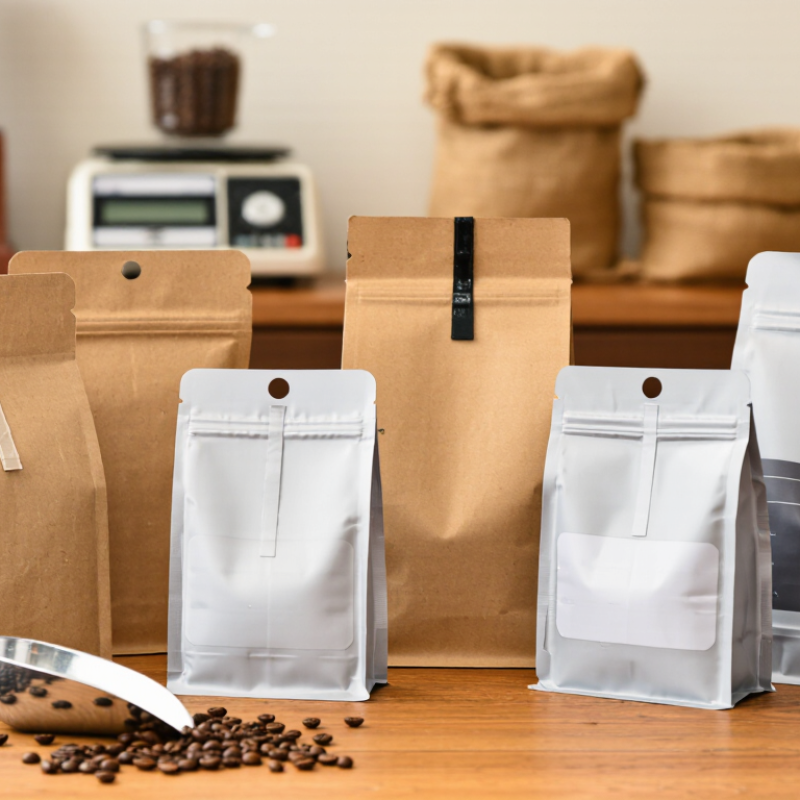
Define Your Coffee Bag Requirements and Brand Positioning
Choosing the best coffee bag begins with clear requirements and honest brand positioning. Define your coffee format, roast profile, pack size, shelf life, and sales environment. Whole beans may need more headspace than ground coffee. A one-way degassing valve can release pressure without allowing unwanted air inside. However, the valve should match the roast and filling process.
Your positioning should guide the bag’s appearance and construction. A specialty coffee audience may value textured paper, muted colors, and detailed origin information. A convenience-focused audience may prefer a strong zipper, easy opening, and compact storage. Select barrier layers based on real freshness needs, not appearance alone. Check oxygen and moisture protection with documented supplier data. Ask for food-contact declarations and seal-test results before approving production.
Small details matter. Test the bag after filling. Squeeze the side seams. Open the zipper repeatedly. Drop a sample from counter height. A beautiful package can still fail during delivery.
I once underestimated the stiffness needed for a narrow bag, and the display looked untidy. That mistake changed my review process. I now compare filled samples, not empty mockups. Some choices remain imperfect. A fully recyclable structure may offer different barrier performance than a multilayer option. Discuss that trade-off openly, then verify the decision through shelf-life testing and customer handling feedback.
Choose the Right Bag Size, Shape, Closure, and Valve
Choosing a coffee bag starts with the serving size, not the artwork.
The National Coffee Association’s Spring 2024 report found that 67% of American adults drank coffee the previous day. That habit supports several practical sizes.
A 250-gram bag suits occasional drinkers. A 1-kilogram bag works better for cafés and busy homes. Smaller bags reduce staling after opening, while larger bags may reduce packaging per kilogram. The trade-off is easy to miss.
Serving Size
250 g
occasional drinkers
1 kg
cafés and busy homes
Shape affects filling, storage, and shelf visibility. Flat-bottom bags stand firmly on retail shelves. Side-gusset bags use space efficiently during transport. Stand-up pouches feel modern but can tip when underfilled. Choose a zipper for repeated home use. Use a simple heat seal when freshness and production speed matter more. For roasted whole beans, a one-way degassing valve releases carbon dioxide without allowing oxygen inside. Ground coffee may need different testing. Do not add a valve automatically.
Tips:
Test the bag with your actual roast.
Check seal strength after transport.
Measure oxygen levels after opening.
The International Coffee Organization estimated global coffee consumption at 177.9 million 60-kilogram bags in 2023/24. Scale matters, but consistency matters more. A beautiful bag can still fail if the zipper leaks. I have seen teams overvalue appearance and under-test closure fatigue. Review the choice after four weeks of real customer use.
Evaluate Printing, Customization, Sustainability, and Compliance
Choosing coffee bags requires more than matching colors to a logo. Printing quality affects shelf appeal, barcode scanning, and customer trust. Ask for physical samples before approving production. Check whether small text remains sharp on matte or textured surfaces. Metallic effects can look attractive, but they may reduce recycling options.
Customization should support the coffee inside. A one-way valve can protect freshly roasted beans from pressure buildup. Strong seals help preserve aroma during transport and storage. Select bag sizes according to roast volume, filling equipment, and expected shelf life. I have found that a beautiful bag can still fail when its zipper feels weak or its seal wrinkles. That detail is easy to miss.
Sustainability claims require careful evidence. Request material specifications, recycled-content data, and disposal guidance from the supplier. “Recyclable” may depend on local collection systems and packaging structure. Avoid vague claims without test reports or recognized certification. Printing inks, adhesives, and coatings should meet applicable food-contact requirements. Labels must also follow regional rules for ingredients, net weight, origin, allergen statements, and traceability details. Keep batch codes readable.
Review compliance early.
A practical evaluation includes drop testing, seal testing, moisture checks, and storage trials. Compare samples after several weeks, not only on delivery day. Some finishes scratch easily. Some sustainable structures need better sealing equipment. That limitation deserves honest discussion before launch. Reliable suppliers should explain test methods, production tolerances, and documentation clearly.
Assess Suppliers, Costs, Quality, and Production Timelines
Choosing coffee bags requires more than comparing unit prices. The International Coffee Organization’s Coffee Report and Outlook estimated global consumption at 177 million 60-kilogram bags in 2023/24. Demand is large, but packaging delays can still stop a small production run.
Ask suppliers for material specifications, factory capacity, and recent test records. Check oxygen transmission, moisture resistance, seal strength, and valve performance. ASTM F88 supports seal-strength testing, while ASTM D3985 measures oxygen transmission. These details matter when roasted beans sit in a warm warehouse. I have seen attractive bags fail because seals curled after filling. That mistake was expensive.
Cost calculations should include cylinders, plates, freight, minimum order quantities, and rejected units. A low quote may hide a long setup process. The Flexible Packaging Association reported that packaging costs remain sensitive to resin, energy, labor, and transportation changes. Request a written production schedule with artwork approval, sampling, manufacturing, and shipping dates. Allow extra time for reprints. Timelines often look cleaner on paper.
Tips: Compare at least three suppliers using the same specification sheet. Request physical samples, not only digital images. Test filled bags for seal leaks and odor transfer. Keep one approved sample for future inspections. Ask what happens when materials arrive late. I would also challenge the planned volume; excessive inventory can quietly erase savings.
