How to Choose the Right Wrapper Film for Global Buyers?
Choosing the right Wrapper Film begins with the product, not the lowest quotation. Global buyers must examine load weight, surface shape, transport distance, storage climate, and wrapping equipment. A chilled food carton may need strong puncture resistance. A retail multipack may require clean clarity and controlled shrink performance.
Packaging author Walter Soroka defines packaging as “a system of preparing goods for transport, distribution, storage, retailing, and end use.” His observation remains useful when evaluating Wrapper Film across international supply chains. Film selection affects protection, handling, shelf appearance, material consumption, and final disposal. It should never be treated as a simple purchasing decision.
Experienced buyers usually request technical data sheets, safety information, sample rolls, and recent quality records. They compare thickness tolerance, tensile strength, elongation, sealing behavior, and holding force. Machine trials matter. A film can perform well in a laboratory yet fail on a fast wrapping line. Humidity and temperature can also change results.
There is no universal best Wrapper Film. That is an uncomfortable truth. A cheaper roll may create more breaks, waste, and downtime. A premium film may also be excessive for a light, stable load. Buyers should question recycled content claims, export documentation, and local packaging requirements. Supplier audits add confidence, but they do not replace testing.
This guide explores practical selection criteria for global purchasing teams. It also considers transport risks, application efficiency, supplier reliability, and responsible material choices. Some decisions will remain imperfect. Careful evidence is still better than confident guesswork.
Understanding Wrapper Film Types and Their Main Applications
Choosing the Right Wrapper Film for Global Buyers
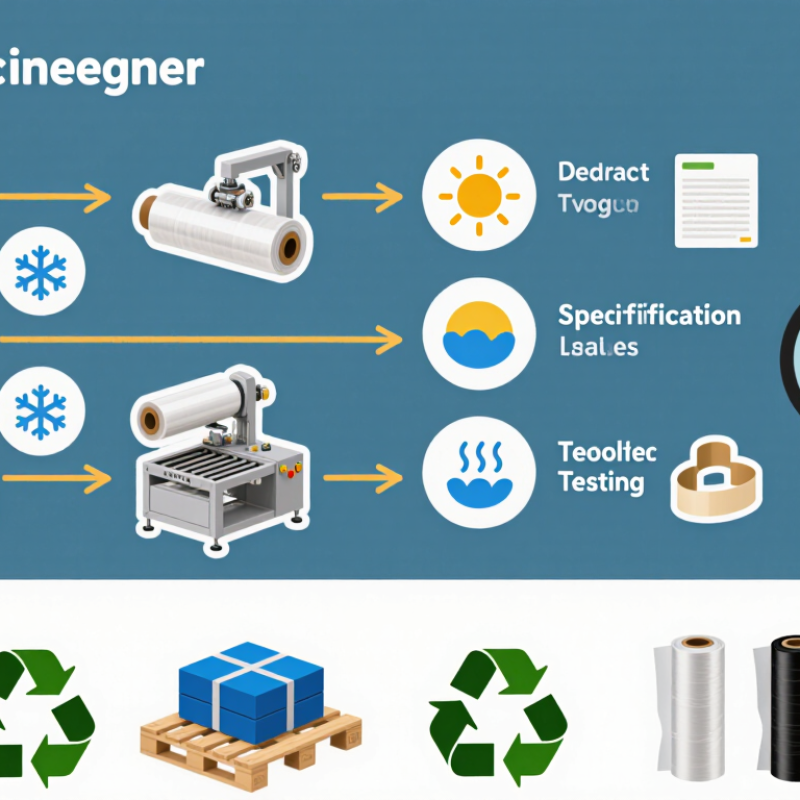
Wrapper film is not a single material. Each type serves a different packaging condition. Stretch film is suitable for securing pallets, cartons, and irregular loads during transport. It clings tightly and reduces movement. Shrink film fits products after heat application, creating a firm, clear package for retail displays. It needs controlled temperature and suitable sealing equipment.
Polyolefin film is often selected for food, household, and consumer products because it offers clarity and clean sealing. PVC film can provide strong display appeal, but buyers should check product requirements and destination-market rules before ordering. BOPP film supports crisp printing and is useful for wrapping boxes, labels, and lightweight goods. Film thickness alone does not determine performance. Load shape, humidity, storage time, and machine speed also matter. A cheaper roll may create more waste.
Tips: Request samples first. Test them on the actual machine, load, and sealing temperature. Check puncture resistance, elongation, roll width, core size, and packaging conditions. Ask for food-contact documents when relevant. Certification details vary by market, so verify them with qualified local specialists. I have seen buyers focus on price and overlook storage humidity. That mistake can cause weak seals, cloudiness, or film breakage. Small trials reveal problems early.
Assessing Product, Packaging, and Shipping Requirements
How to Choose the Right Wrapper Film for Global Buyers?
Assessing Product, Packaging, and Shipping Requirements
Choosing wrapper film should begin with the product, not the film catalogue. A sharp-edged item may need strong puncture resistance. Soft goods often need flexibility and controlled stretch. Measure product weight, surface shape, and storage conditions before selecting material. A film that performs well in a warehouse may fail during sea transport. Moisture can weaken seals, while heat can increase shrinkage. Cold routes create different problems.
Packaging equipment also affects the decision. Check the machine’s sealing temperature, wrapping speed, and film width limits. Test the film around corners, handles, and uneven surfaces. A clear seal is useful, but seal strength matters more. Do not judge performance from one wrapped sample. Run repeated trials with full cartons and realistic handling. Small variations expose weak points.
Shipping requirements deserve equal attention. Long-distance cargo may face vibration, stacked pressure, dust, and changing temperatures. Select film thickness according to risk, not habit. Thicker film is not always safer. It may increase material use and create poor wrapping tension. A practical trial should include drop checks, pallet movement, and several days of storage. I have seen attractive packaging fail because the stretch setting was overlooked. That mistake is easy to repeat. Record test results, supplier specifications, and production changes. Then review them with the packaging and logistics teams before approval.
Checking Supplier Quality, Certifications, and Global Compliance
Choosing wrapper film for global markets starts with supplier evidence, not attractive samples. Ask for a current ISO 9001 certificate, but verify its site, scope, and expiry date. ISO’s 2022 Survey recorded more than 1.26 million ISO 9001 certificates worldwide. That number shows adoption, not automatic quality.
Request batch-level certificates of analysis for thickness, tensile strength, sealing performance, and haze. For food-contact applications, require migration test reports and declarations matching the destination market. Packaging-material certification can strengthen confidence, yet paperwork may hide weak production controls. An audit should examine resin storage, clean-room discipline, calibration records, and traceability from roll to shipment. Small details matter. Check the printed lot code.
Environmental claims need equal caution. The OECD’s Global Plastics Outlook reports that only 9% of plastic waste was recycled in 2019. It also projects plastic waste could nearly triple by 2060 without stronger action. Therefore, ask whether “recyclable” means technically recyclable, accepted by local systems, or actually recycled. These are different claims. Review recycled-content evidence, supplier chain records, and applicable packaging rules before approving the film. A certificate is useful, but it is not proof of every claim. I would still request an independent test on production samples, because laboratory samples can look better than routine output. (Sources: ISO Survey 2022; OECD Global Plastics Outlook.)
How to Choose the Right Wrapper Film for Global Buyers?
Current edition years of widely used supplier-quality and food-safety management standards
Supplier quality
ISO 9001:2015 supports documented quality processes, corrective actions, and continual improvement.
Food-safety control
ISO 22000:2018 provides a food-safety management framework for suppliers handling food-contact materials.
Global compliance
Confirm the film’s intended market, food-contact declarations, migration test reports, traceability records, and applicable local regulations before approval.
The year indicates the published edition shown for each standard, not a supplier performance score. Buyers should verify certificate validity, scope, site address, and issuing-body records.
