How to Conduct Effective Print Inspection in 2026?
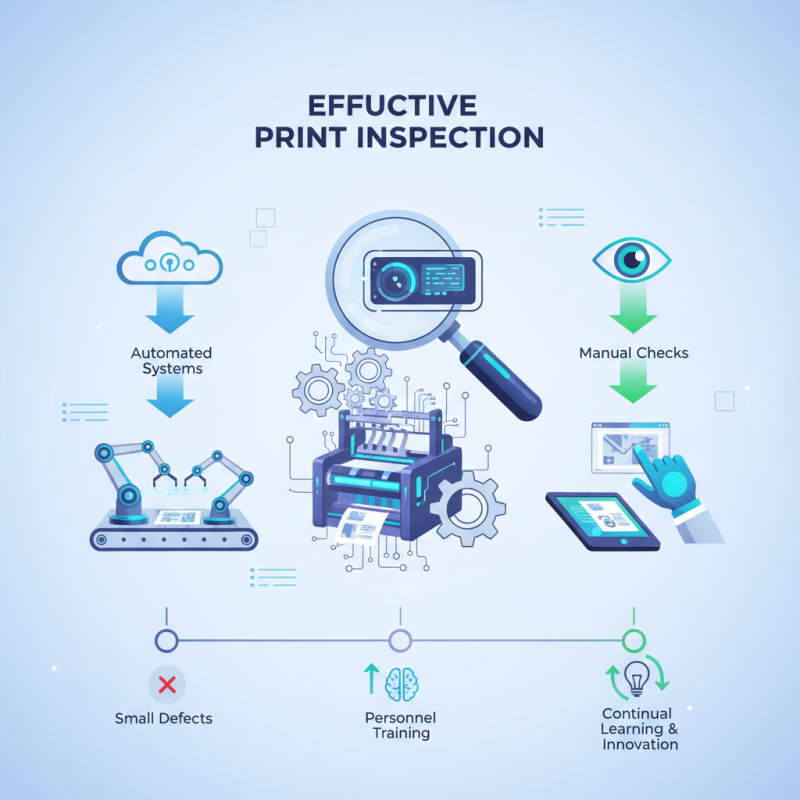
Effective Print Inspection is crucial for the success of printed materials in 2026. As technology evolves, so do the methods and tools used to ensure quality. Businesses rely on precise Print Inspection processes to meet consumer demands and industry standards. The balance between automated systems and manual checks is essential.
In the quest for perfection, challenges arise. A common issue is overlooking small defects that impact overall quality. Inspectors must pay attention to details. It requires focus and dedication to capture every flaw. Additionally, the training of personnel in Print Inspection techniques cannot be neglected. Well-trained inspectors contribute significantly to quality assurance.
Reflecting on past inspections reveals areas for improvement. Perhaps new technology can enhance accuracy, or there might be gaps in the training programs. Emphasizing accountability and continual learning is key. Each Print Inspection is an opportunity to innovate and adapt to changing needs. The future of print is bright, but only with rigorous quality checks in place.
Understanding the Importance of Print Inspection in Modern Industry
In the fast-paced world of modern industry, print inspection plays a crucial role. Companies are expected to deliver high-quality prints consistently. However, many still overlook this aspect. Effective print inspection helps identify defects early in the production process. This can save time and resources, preventing a small issue from becoming a major setback.
Implementing robust print inspection protocols can be challenging. The technology needed may be complex. Staff might require extensive training. There might be resistance to new methods. Even so, neglecting print inspection can lead to costly reworks or damaged reputations. Errors must be addressed promptly, as they could cause significant delays.
In 2026, the focus on sustainability will grow. Manufacturers will need to evaluate their print processes carefully. Understanding the impact of their printing methods on the environment is vital. Yet, many still struggle with adapting to these new challenges. Continuous improvement and open-mindedness will be essential for progress.
Key Technologies for Print Inspection in 2026
In 2026, print inspection is transforming. Advancements in machine vision technology play a crucial role. Cameras equipped with high-resolution sensors can detect flaws with remarkable accuracy. They scan each print in real-time, identifying issues such as color mismatches or alignment errors. However, challenges remain. Lighting conditions can significantly impact image quality. Sometimes, adjustments are needed to achieve optimal results.
Artificial intelligence is also changing the landscape. AI algorithms analyze print data and learn from previous inspections. They can predict potential problems before they occur. This predictive capability enhances efficiency. Yet, reliance on AI can lead to complacency. Operators must remain vigilant to catch errors that machines might miss. Human oversight is still essential for quality control.
Integrating these technologies can be complex. It requires careful planning and training. Staff may need to adapt to new systems and workflows. Addressing these concerns is vital for success in print inspection. Continual refinement of processes is necessary to meet evolving industry standards. Balancing technology with human insight will be key to achieving high-quality printing.
Print Inspection Technology Adoption in 2026
Step-by-Step Guide to Setting Up Print Inspection Processes
Effective print inspection in 2026 requires careful planning and execution. Start by establishing clear objectives for your print inspection processes. Define what is critical in each print run. Are there specific quality indicators that matter most? It’s vital to identify these early on. This ensures everyone understands what success looks like.
Next, gather the right tools and technology. Check your printing equipment. Is it equipped with the latest inspection systems? Manual inspections may still play a role, but automation can significantly enhance efficiency. Review each inspection phase. Are the current methods precise enough? Sometimes, traditional techniques may miss subtle defects. Regularly assess these strategies to keep your process up to date.
Finally, engage your team in the inspection process. Everyone should be aware of quality control measures. Encourage feedback; this can uncover gaps in your methods. Establish a culture where questioning is welcomed. This openness can lead to better practices and improvements over time. Regular training sessions may help staff stay informed about new techniques and tools. The goal is a collaborative approach that enhances the overall quality of your print output.
How to Conduct Effective Print Inspection in 2026 | Step | Description | Tools/Methods | Expected Outcome |
| 1 | Define Print Specifications | Specification documents, typography guides | Clear understanding of print quality standards |
| 2 | Assemble Inspection Team | Human Resources, Training programs | Experienced team members for thorough inspection |
| 3 | Select Inspection Tools | Digital scanners, quality control software | Tools ready for automated inspections |
| 4 | Conduct Preliminary Tests | Test prints, sample analysis | Identify potential issues before full runs |
| 5 | Implement Continuous Monitoring | Real-time data tracking software | Immediate identification of defects during production |
| 6 | Establish Feedback Loops | Surveys, team meetings | Continuous improvement of inspection process |
| 7 | Evaluate Results | Reports, analytics tools | Assessment of print quality and efficiency |
Evaluating Print Quality Metrics and Standards
Print quality metrics are vital for any printing operation. In 2026, professionals must focus on key standards to ensure excellence. According to industry reports, over 70% of print defects stem from poor inspection processes. Regular monitoring of quality metrics can lead to significant improvements in output.
When evaluating print quality, it’s essential to assess color accuracy, registration, and overall finish. A recent study found that 65% of consumers judge a product based on its packaging quality. This underscores the importance of meticulous print inspection. Implementing tools like spectrophotometers can help measure color consistency effectively.
Tips: Always calibrate your equipment regularly. It minimizes discrepancies in output. Documentation of inspection metrics helps identify recurring issues. Set up a feedback loop with your team for continuous improvement. Remember, perfection is a moving target. Embrace flaws as opportunities for growth.
Training Staff for Effective Print Inspection Techniques
Training staff for effective print inspection techniques is essential in 2026. The landscape of print production is evolving rapidly. New technologies and methods are emerging. Employees need to adapt quickly to these changes. Regular training sessions should focus on both skills and technology updates.
Hands-on practice is crucial for staff. Using real examples can help employees understand common issues. For instance, examining printed samples with color variations highlights mistakes. This exercise fosters critical thinking. In addition, team discussions can reveal overlooked aspects. Employees may notice problems others miss. Peer feedback encourages improvement.
It is important to foster a culture of continuous learning. Scheduled workshops can provide updates on new tools and techniques. However, training programs should not be one-size-fits-all. Employees have different strengths and weaknesses. Acknowledging these differences helps create a more effective learning environment. Regular assessments can identify skill gaps. This way, you can tailor training to individual needs.
