Why is Offset Printing Inspection Crucial for Quality Control?
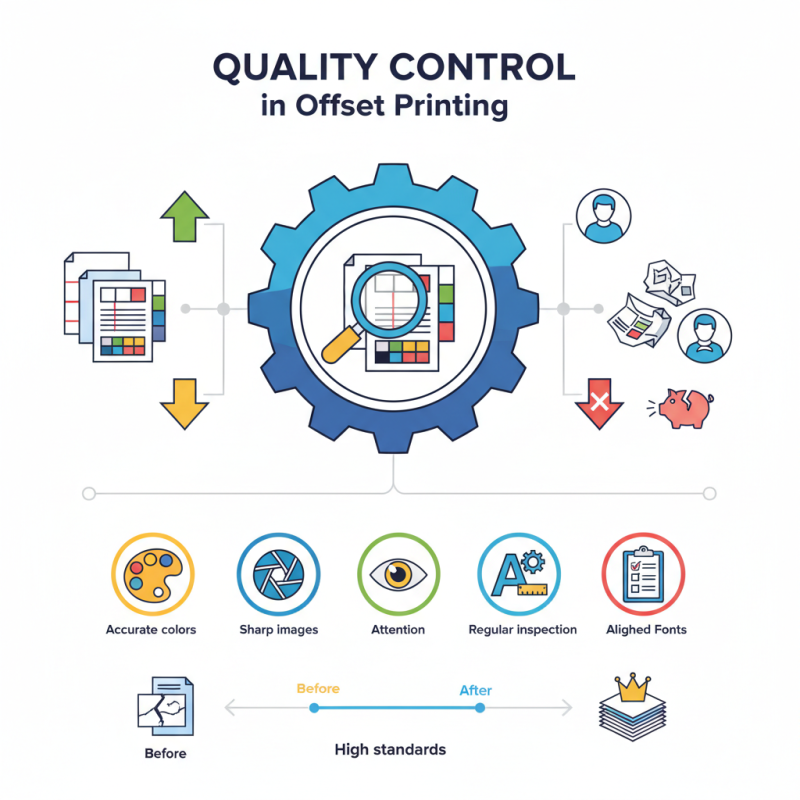
In the world of printing, quality is paramount. Offset Printing Inspection plays a critical role in ensuring that every print runs to perfection. This process guarantees that colors are accurate, images are sharp, and fonts are correctly aligned. By identifying potential flaws early, businesses can avoid significant losses in time and resources.
Inspecting offset prints often reveals unexpected challenges. For example, even a small misalignment can lead to costly errors in large print runs. Regular inspection processes help mitigate these risks and maintain product integrity. Companies may overlook this step, thinking the quality will speak for itself. However, neglecting Offset Printing Inspection can lead to complications and reprints, ultimately jeopardizing customer satisfaction.
Implementing thorough inspection practices requires expertise and attention. Knowledgeable professionals are essential to catch inconsistencies. Misjudgments can happen, especially with complex designs. Reflecting on past printing issues can lead to improvements. Offset Printing Inspection is not just a step; it's crucial for upholding high standards in the printing industry.
The Role of Offset Printing in Modern Manufacturing Processes
Offset printing plays a vital role in modern manufacturing processes, largely due to its efficiency and versatility. According to industry reports, offset printing accounts for about 40% of all printed materials. This technique is not only cost-effective for large runs but also provides exceptional image quality. Projects ranging from books to packaging benefit from its consistency.
However, even with its advantages, maintaining quality control through inspection is crucial. A study by the Printing Industries of America noted that nearly 30% of printing errors occur in the finishing stages. Regular inspections can help identify color mismatches and registration issues early, preventing larger losses. Quality management should be an ongoing process.
Tip: Implement a structured inspection routine at different stages of production. This practice helps catch issues before they escalate.
Offset printing’s role is not without its challenges. The need for continuous adaptation to digital trends can strain resources. Some manufacturers struggle with integrating new technologies into their offset processes. It's essential to remain open to feedback and make iterative improvements. Quality processes need to evolve, ensuring alignment with the latest industry standards.
Tip: Encourage team discussions about possible challenges. Collaborative problem-solving can lead to innovative solutions.
Offset Printing Inspection Quality Control Metrics
This bar chart illustrates the inspection scores for various key metrics in offset printing quality control. Maintaining high inspection scores is essential for achieving optimal print quality, color accuracy, and overall consistency in production.
Understanding the Offset Printing Process and Its Importance
Offset printing is a widely used technique that offers high-quality prints. Understanding this process is vital for anyone involved in the printing industry. In offset printing, an image is transferred from a plate to a rubber blanket and then onto the printing surface. This method allows for consistency and precision, crucial for producing vibrant and detailed images. The process also accommodates large volumes efficiently, which is a significant advantage for commercial printing.
However, even with its advantages, issues can arise. Misalignments or ink distribution problems may lead to variations in print quality. Inspecting each stage of the print run becomes essential. Regular inspections can identify problems early, preventing costly reprints and wasted materials. Operators must be well-trained to recognize subtle defects that may not be immediately apparent. This vigilance is necessary to uphold the integrity of the final product.
Moreover, not every print run is perfect. It's common to encounter inconsistencies. Reflecting on these challenges is crucial for continuous improvement. Quality control processes must adapt over time. Continuous learning and adjustment enhance overall printing outcomes, ensuring customer satisfaction and loyalty.
Critical Inspection Techniques in Offset Printing Quality Control
Offset printing is a widely used technique, yet quality control remains vital. Inspection techniques play a key role in this process. These methods ensure that colors are consistent and the images are sharp and clear. A small error can lead to significant problems, like customer dissatisfaction or wasted materials.
One common inspection technique is visual inspection. Operators examine prints under various lighting conditions to spot any issues. However, this method can be subjective. Thus, using color measurement tools can add accuracy. These devices provide precise data. They reveal color shifts that human eyes might miss.
Another critical technique involves checking registration. Off-register prints disrupt the design's integrity. Advanced technology can identify these misalignments early. Moreover, reviewing the printed sheets against proof samples helps maintain quality. Ensuring all elements align correctly can prevent costly errors down the line. Failing to implement thorough inspections can compromise the final product.
Industry Standards and Metrics for Offset Printing Quality Assurance
In the world of offset printing, maintaining high-quality standards is non-negotiable. Various industry metrics guide this quality assurance process. These metrics include color accuracy, registration precision, and paper quality. Each plays a significant role in the final product's visual appeal. Regular inspections against these standards help catch discrepancies early.
Color consistency is a primary metric. A slight deviation can alter a print job's outcome. Inspectors often utilize spectrophotometers to analyze color fidelity. Registration is equally critical, ensuring that colors align correctly. Misalignment can result in a blurred image, reducing the overall quality. Inspectors may find it challenging to keep registration tight through long runs.
Attention to detail is paramount. Yet, not every print runs smoothly. Ink viscosity can vary, affecting the transfer rate and ultimately the print's appearance. Inspectors must be vigilant, documenting any variations and investigating their causes. This ongoing scrutiny fosters a culture of continuous improvement within the printing process.
The Impact of Printing Defects on Brand Reputation and Revenue
Printing defects can have severe consequences for brand reputation. A single flawed print can tarnish a company’s image. Customers often judge brands based on their presentation. An unsightly defect can lead to negative perceptions. This reality can hurt customer loyalty and drive potential clients away. Negative reviews can spread quickly in the digital age. A single complaint can lead to many lost opportunities.
Moreover, printing errors affect revenue. If customers receive poor-quality products, they may request refunds. This process not only costs money but also time. Continuous defects can erode market share. Brands rely on quality to differentiate themselves. When mistakes occur, it becomes a challenge to regain trust. A company might even need to spend more on marketing to repair its image.
Investing in offset printing inspection can save considerable costs in the long run. Identifying defects early prevents costly product recalls and improves overall satisfaction.
