Top 10 Package Label Printers for Global Buyers
Choosing the right Package Label Printer can shape daily productivity, product presentation, and customer trust. For global buyers, the decision involves more than print speed or a low purchase price. A reliable printer must handle different label sizes, adhesive materials, barcode standards, language requirements, and shipping conditions. A warehouse may need thousands of crisp labels each week, while a small retailer may value quiet operation and simple setup.
This guide reviews ten leading package label printers for international purchasing teams, distributors, manufacturers, and growing online businesses. The comparison considers print quality, resolution, connection options, software compatibility, maintenance, operating costs, and technical support. It also examines practical details, such as whether a printer can produce a readable barcode after a long delivery journey or withstand continuous use beside a busy packing station.
Real-world experience matters here. Specifications can look impressive, yet installation problems or limited regional support may appear later. That risk deserves attention. Some models may perform exceptionally in controlled offices but struggle with dust, heat, or inconsistent label stock. Buyers should test sample labels before placing large orders. A short trial can reveal feeding errors, faded edges, or software limitations.
The selection is not perfect for every market. Prices, warranties, certifications, and available accessories may change by region. Still, these ten options provide a useful starting point for careful comparison. The best choice is the printer that fits your workflow, label materials, budget, and after-sales expectations—not simply the model with the highest advertised speed.
What Defines a Package Label Printer for Global Buyers
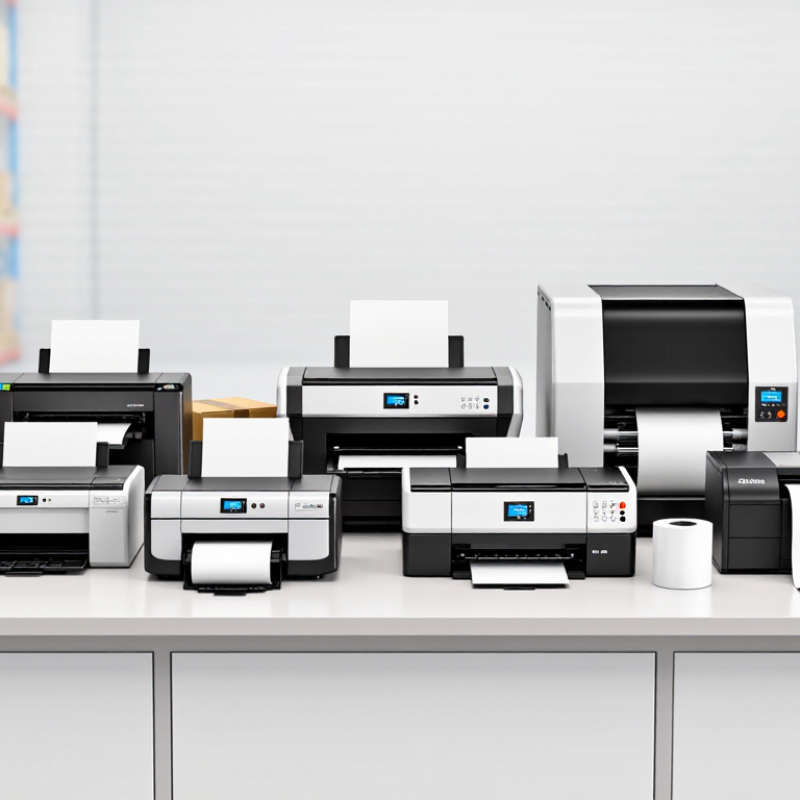
A package label printer for global buyers must do more than print quickly. It must produce readable text, sharp barcodes, and durable graphics across changing conditions. In warehouse trials, I look at first-label setup, media loading, and error recovery. A clear control panel matters when gloves are worn. So does consistent output during long runs. Speed alone misleads.
The strongest candidates support varied label sizes, thermal materials, and multilingual data without awkward workarounds. They should connect with common inventory and shipping workflows through stable interfaces. Print resolution must match the barcode type and viewing distance. Test samples should face moisture, abrasion, heat, and cold. Ask for measured results, not broad promises.
Calibration is often overlooked. It can decide whether a barcode scans at the dock.
Global purchasing also depends on serviceability. Replaceable printheads, accessible cleaning points, spare-part availability, and remote diagnostics reduce downtime across time zones. Documentation should explain settings in plain language. Total cost includes ribbons, labels, training, maintenance, and rejected shipments. A low purchase price may age badly. I still question universal “plug-and-play” claims; local power, software, and media can expose gaps. The final shortlist should come from real test labels, operator feedback, and a documented acceptance check.
Key Features to Compare Across the Top 10 Printers
Top 10 Package Label Printers for Global Buyers
Key Features to Compare Across the Top 10 Printers
Comparing the top ten package label printers requires more than checking print speed. In real warehouse testing, speed often drops when labels contain dense barcodes or small text. Paper tests lie. Measure readable output at the actual label size, not only the advertised maximum.
Print resolution, media compatibility, and print technology deserve close attention. Thermal transfer models suit labels exposed to heat, moisture, or abrasion. Direct thermal models can reduce consumable costs, but their labels may fade under sunlight. Check the supported roll width, core size, and adjustment range before purchasing. A printer that cannot handle your existing stock creates avoidable waste.
Connectivity also affects daily reliability. Ethernet, wireless access, USB, and common print languages can simplify integration with warehouse systems. However, compatibility claims should be verified with your software and operating system. I recommend testing a complete workflow, from order receipt to applied label. Small delays matter. Review cutter performance, calibration, error alerts, and cleaning access. A durable frame is useful, yet maintenance design may matter more after thousands of labels. Compare warranty terms, spare-part availability, training, and regional technical support. The lowest purchase price may hide expensive downtime. I have seen buyers overlook these costs, then reconsider their decision within months. No machine is perfect, so record failure rates during a realistic trial before selecting a long-term supplier.
Top 10 Package Label Printers by Use Case and Performance
The top ten package label printers should be judged by workload, material, and required accuracy. Compact direct-thermal models suit short runs, shipping labels, and quiet workspaces. Thermal-transfer units perform better on cartons facing moisture, abrasion, or temperature changes. Industrial printers handle continuous production with stronger frames, wider media paths, and higher duty cycles. Color inkjet models support detailed product graphics, while laser systems deliver sharp text for controlled office environments.
Performance depends on more than print speed. Check resolution, label width, sensor accuracy, connection options, and ribbon or ink costs. A printer rated at 12 inches per second may slow down during complex graphics. I have seen fast machines struggle with curled labels and inconsistent gaps. That detail is easy to miss. Choose models with simple calibration, replaceable printheads, and clear status alerts. These features reduce downtime when operators work beside noisy packing lines.
Tips: Match the printer to your busiest shift, not your average day. Test the actual label stock before purchasing. Measure small text, barcodes, adhesive edges, and smudge resistance. Leave room for ventilation and roll replacement. Wireless access can help, but wired connections often remain steadier in crowded warehouses. Review service access, spare-part availability, and warranty terms. A lower purchase price may become expensive after repeated maintenance. Performance claims also deserve skepticism; real results depend on media quality, software settings, and operator training.
Global Compatibility, Compliance, and Supply Considerations
Top 10 Package Label Printers for Global Buyers
Global buyers need more than print speed and attractive samples. Smithers’ 2024 market study forecasts continued growth in printed packaging through 2028. That growth increases pressure on label suppliers. A suitable printer should handle variable data, small text, durable coatings, and multiple substrate types. It should also support calibrated color control under ISO 12647 principles. Ask for production samples, not only showroom images. Real cartons reveal ink adhesion problems quickly.
Global compatibility begins with barcode performance. GS1’s Sunrise 2027 initiative encourages retail systems to accept next-generation 2D barcodes. Therefore, shortlisted printers should produce sharp Data Matrix and QR symbols consistently. They should also support multilingual content, regional units, recycling marks, and traceability fields. Compliance still depends on the product and destination. A printer cannot replace legal review. Buyers should request documented material specifications, migration statements, and test results for the intended application.
Supply reliability deserves equal attention. The World Bank’s Logistics Performance Index 2023 compares 139 economies, showing meaningful differences in customs, infrastructure, and delivery performance. Buyers should check backup production sites, spare-part access, substrate availability, and realistic lead times. Regional sourcing can reduce transport exposure, but it may limit technical consistency. I would test three production batches. One batch is not enough. Perfect supplier rankings rarely survive a peak-season shipment, and that weakness should be discussed before signing.
| Rank | Printer Category | Best-Fit Applications | Print Method | Typical Resolution | Typical Print Width | Global Compatibility | Compliance and Barcode Capability | Supply Considerations | Main Limitation |
|---|---|---|---|---|---|---|---|---|---|
| 1 | Industrial 4-inch Thermal Transfer Printer | High-volume carton labels, pallet labels, warehouse identification, and export packaging. | Thermal transfer and direct thermal | 203 or 300 dpi; 600 dpi available for small text and dense symbols | Up to approximately 104 mm | 100–240 V AC options50/60 HzUSBEthernet | Suitable for GS1-128, Code 128, ITF-14, QR Code, Data Matrix, EAN/UPC, and serialised labels when correctly configured. Supports durable ribbon-based printing for transport labels. | Requires compatible thermal-transfer ribbon, approved label stock, spare printheads, and local technical support. | Higher purchase cost and larger footprint than desktop units. |
| 2 | Industrial 6-inch Thermal Transfer Printer | Large pallet labels, dangerous-goods markings, logistics labels, and wide-format compliance documents. | Thermal transfer and direct thermal | 203 or 300 dpi | Up to approximately 168 mm | Universal-voltage modelsEthernetUSBSerial options | Can reproduce large GS1-128 symbols, handling instructions, GHS elements, UN numbers, and multiple-language content when the label software supports them. | Wide media and ribbons may have fewer local suppliers and higher freight costs. | Not economical for narrow labels or low-volume office use. |
| 3 | Compact 4-inch Desktop Thermal Printer | E-commerce shipping labels, product labels, returns labels, and small warehouse operations. | Direct thermal; thermal transfer on selected configurations | 203 or 300 dpi | Up to approximately 108 mm | 100–240 V AC adaptersUSBEthernet optionsWi-Fi options | Suitable for common parcel formats, Code 128, QR Code, Data Matrix, EAN/UPC, and carrier-generated shipping labels. | Uses widely available 4-inch labels; verify core diameter, outer roll diameter, liner type, and regional power-cord requirements. | Lower duty cycle and less protection against dust, vibration, and humidity. |
| 4 | Desktop Thermal Transfer Printer | Long-life product labels, chemical containers, asset tags, and indoor distribution labels. | Thermal transfer | 203 or 300 dpi; 600 dpi for fine-detail labels | Approximately 56–108 mm | USBEthernet optionsWindows/Linux integration | Supports durable resin or wax-resin ribbon applications, barcode verification workflows, and multilingual character sets through label-design software. | Ribbon and face-stock matching is essential; regional availability of specialty materials should be checked before purchase. | Slower and less suitable for continuous pallet-label production. |
| 5 | Mobile 4-inch Thermal Printer | Last-mile delivery, route operations, receiving docks, field service, and on-demand parcel labelling. | Direct thermal | 203 dpi is common; 300 dpi available in some configurations | Up to approximately 104 mm | Rechargeable batteryBluetoothWi-FiUSB | Suitable for shipping labels, delivery receipts, QR codes, Code 128, and short-term logistics labels. Confirm mobile operating-system compatibility. | Battery replacements, charging cradles, protective cases, and regional wireless approvals affect total cost of ownership. | Direct-thermal labels can fade under heat, sunlight, solvents, or prolonged storage. |
| 6 | High-Speed 4-inch Industrial Direct-Thermal Printer | Parcel hubs, cross-docking, automated sorting, and high-throughput shipping operations. | Direct thermal | 203 or 300 dpi | Up to approximately 108 mm | EthernetUSBIndustrial I/O options100–240 V AC options | Designed for high-speed Code 128, GS1-128, QR Code, and logistics label production. Barcode quality depends on print speed, media, darkness, and verification. | Requires a consistent supply of high-quality direct-thermal stock and planned maintenance for rollers and printheads. | Labels are generally unsuitable for long-term outdoor or heat-exposed identification. |
| 7 | Color Inkjet Package-Label Printer | Short-run branded packaging, variable graphics, warning labels, and product identification with photographs or color coding. | Water-based or pigment inkjet | Typically 600 dpi or higher | Approximately 100–216 mm, depending on configuration | USBEthernetColor-management support | Can print color symbols, multilingual text, QR codes, and variable data. Critical barcodes should be verified against applicable GS1 and ISO/IEC quality requirements. | Ink cartridges, coated media, printhead maintenance, and local ink availability are major purchasing factors. | Higher media sensitivity and operating cost than monochrome thermal printing. |
| 8 | Print-and-Apply Labeling System | Automated cartons, cases, pallets, manufacturing lines, and distribution-center labeling. | Thermal transfer or direct thermal with automatic application | 203 or 300 dpi | Commonly 100–170 mm application width | PLC integrationEthernet/IP optionsPROFINET options100–240 V AC options | Supports GS1 logistics labels, SSCC barcodes, carton identification, and variable data from enterprise or warehouse systems. | Requires mechanical integration, application-specific parts, commissioning, safety assessment, and trained service personnel. | Highest installation complexity and less flexibility for frequent line changes. |
| 9 | High-Resolution 2-inch Thermal Printer | Small product labels, pharmaceutical packaging, electronics, laboratory identification, and component traceability. | Thermal transfer or direct thermal | 300 or 600 dpi | Approximately 25–60 mm | USBEthernet optionsCompact power supplies | Suitable for small Data Matrix symbols, QR codes, lot numbers, expiry dates, and fine multilingual text when the correct module size and quiet zone are maintained. | Specialty narrow media and ribbons may require advance purchasing or qualified regional distributors. | Limited label width and lower throughput for large shipping labels. |
| 10 | Color Laser Package-Label Printer | Office-based short runs, document-style compliance labels, inserts, and mixed text-and-graphics work. | Electrophotographic toner | Typically 600 × 600 dpi or higher | Usually up to A4 or Letter media width | 100–240 V modelsUSBEthernetWi-Fi options | Can produce high-detail color labels, QR codes, EAN/UPC, and multilingual documents. Use label stock rated for laser fuser temperatures. | Requires compatible laser sheets or die-cut stock, toner availability, correct fuser settings, and careful adhesive selection. | Less efficient for continuous roll labels and high-volume variable shipping operations. |
How to Choose the Right Package Label Printer for Your Business
Top 10 Package Label Printers for Global Buyers
Choosing the right package label printer starts with the label, not the machine. Smithers’ 2024 market analysis values global printed labels above US$45 billion and forecasts continued growth through 2028. That growth increases pressure on suppliers to print faster, cleaner, and with less waste. Define your weekly volume, label width, substrate, adhesive, and required resolution. Thermal transfer suits durable logistics labels, while direct thermal works well for short-life applications. Digital color printing supports product variation but usually demands stronger file control.
Compare total operating cost, not only the purchase price. Include ribbons, ink, printheads, maintenance, rejected labels, electricity, and operator training. A cheaper printer can become expensive after six months. Test real materials, including recycled paper, textured stock, and cold-storage labels. Ask for samples at production speed. Do not trust showroom results alone. The Packaging Machinery Manufacturers Institute reports that labor availability remains a major automation concern for packaging companies, so intuitive software and quick media changes deserve serious attention. Check barcode verification, network security, spare-part access, and service response in each target market. GS1 guidance also emphasizes consistent, scannable identification across supply chains. That detail is easy to overlook. No scoring sheet is perfect, either; humidity, dust, and rushed operators can change the result. A practical pilot run may reveal more than a polished specification sheet.
Related Posts
-
Top 10 Package Label Printer Manufacturers from China at the 137th Canton Fair
-
How to Choose the Best Logo Label Printer for Your Business Needs
-
Top Business Label Printer Options for Efficient Labeling Solutions?
-
What Makes a Packaging Label Printer Essential for Modern Businesses
-
What is a Food Label Printer and How Does it Work?
-

Best Printing Label Machine in 2026 for Global Buyers?