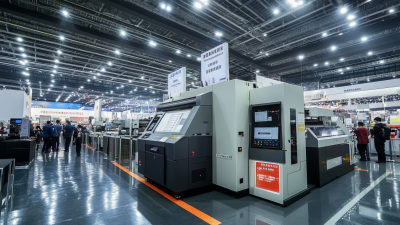
What Are the 2026 Top Industrial Label Printers?
Choosing the right Industrial Label Printers in 2026 requires more than comparing print speed or advertised resolution. Modern warehouses, laboratories, manufacturers, and logistics teams need equipment that performs reliably under pressure. A printer may produce sharp labels in a showroom, yet struggle with dust, heat, moisture, or continuous demand.
This guide examines the leading Industrial Label Printers for real workplace conditions. It considers print quality, processing speed, media compatibility, connectivity, maintenance, security, and long-term operating costs. It also looks at practical details, such as ribbon changes during a busy shift, barcode readability after handling, and software integration with inventory systems. Small failures matter.
No ranking is flawless.
The best printer depends on the label material, daily volume, operating environment, and available support. A high-speed model may be excessive for a small production line. A lower-cost unit may become expensive when replacement heads and downtime are included. These differences deserve careful attention.
The 2026 selection should therefore balance measurable performance with hands-on usability. Independent specifications provide a useful starting point, but verified testing and user feedback often reveal more. Some claims remain difficult to compare because manufacturers use different testing conditions. That limitation should not be ignored.
By comparing trusted brands and practical features, this overview helps buyers make a more informed decision. It does not promise one universal winner. Instead, it identifies printers that offer dependable value for specific industrial labeling needs.
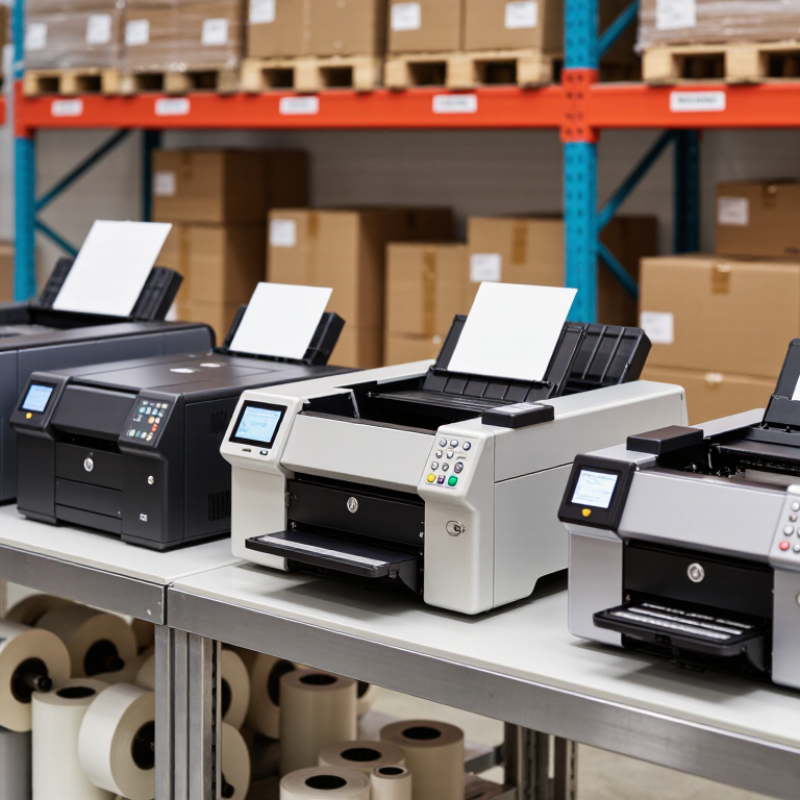
Industrial Label Printer Standards: 203–300 dpi, 12–14 ips, and 24/7 Duty Cycles
What Are the 2026 Top Industrial Label Printers?
Industrial label printer standards are moving toward 203–300 dpi, 12–14 ips, and genuine 24/7 duty cycles. A 203 dpi engine suits cartons, pallets, and large logistics labels. A 300 dpi engine produces cleaner small text, dense barcodes, and compact compliance symbols. According to ISO/IEC 15416, barcode quality depends on edge definition, contrast, and print consistency, not resolution alone. Higher dpi cannot repair poor media or incorrect darkness settings.
12–14 ips
24/7 duty cycles
Speed matters on busy production lines. VDC Research’s 2024 AIDC market analysis identifies throughput and uptime as major selection factors for industrial identification systems. At 12–14 inches per second, printers can support rapid case labeling, provided the applicator keeps pace. GS1 General Specifications, Release 25.0, also emphasizes readable symbols, quiet zones, and accurate data formatting. A fast printer still creates failures when labels curl, drift, or miss the intended placement.
A true 24/7 duty cycle requires more than a strong motor. It needs thermal control, stable firmware, accessible printheads, and media designed for continuous use. The 2024 PMMI coding-and-marking report highlights maintenance reduction and line availability as persistent automation priorities. That assumption is not always right. Maximum speed can reduce print quality, especially with dusty stock or worn rollers. Operators should test a full shift, inspect barcode grades, and record errors before approving a printer for nonstop production.
2026 Top Performers by Technology: Thermal Transfer, Direct Thermal, and RFID
Industrial label printers in 2026 perform best when matched to the working environment. Top performance depends on durability, print accuracy, media flexibility, and maintenance control. Thermal transfer remains strong for chemical drums, outdoor assets, and long-term inventory labels. Its ribbon protects printed text from abrasion, heat, and moisture. Wax, resin, and blended ribbons support different surface requirements. A careful operator checks darkness, speed, and ribbon tension before production. Small errors can create blurred edges or wasted rolls. I have seen this happen during rushed changeovers.
Direct thermal technology suits shipping labels, receipts, and short-life warehouse tags. It needs no ribbon, which simplifies loading and reduces consumables. However, heat and sunlight can darken exposed labels over time. Reliable users test samples near windows, conveyors, and packing equipment. Print density should remain readable without damaging the printhead. This method is efficient, but it is not universal. That limitation matters.
RFID printers add digital identification to printed labels. They encode information into an inlay while printing human-readable details. Strong performers offer accurate encoding, verification, and adjustable positioning. Operators should test different materials because metal, liquids, and dense products can weaken signal performance. Failed reads are costly. Good systems isolate errors before labels reach the warehouse floor. Industry testing methods and documented maintenance improve trust, although no setup is flawless. A thoughtful team reviews failed batches instead of hiding them.
Comparing Print Engines: 4–8-Inch Media, 600 dpi Detail, and RFID Encoding
What Are the 2026 Top Industrial Label Printers?
The strongest industrial label printers in 2026 will be judged by print engines, not appearance. Production lines often handle media from four to eight inches wide. That range affects platen pressure, ribbon control, and alignment stability. A four-inch engine may suit shipping labels, while wider media supports chemical drums, pallets, or equipment panels. Choosing too narrowly creates costly workarounds.
A 600 dpi engine produces sharper text, small symbols, and dense barcodes. This detail matters when labels carry limited space or require close inspection. However, higher resolution can reduce throughput and increase file-processing demands. RFID encoding adds another layer. The printer must write data, verify the tag, and identify failed inlays before release. Specifications look impressive, but real performance depends on antenna placement, label construction, and software integration. I have seen testing plans overlook humidity and adhesive behavior. That was a mistake.
Tips: Test each media width on the actual production line. Measure readable output, not only print speed. For 600 dpi work, inspect tiny text under normal lighting. RFID trials should include damaged or poorly positioned tags. Keep rejected labels physically separated. Also question every vendor claim with documented samples and repeatable tests. A short pilot often reveals more than a polished specification sheet.
Reliability and Compliance: IP Ratings, 100,000-Label Runs, and TCO Metrics
What Are the 2026 Top Industrial Label Printers?
The strongest industrial label printers are judged by uptime, traceability, and total cost of ownership. A 100,000-label production run exposes weak cooling, poor media handling, and fragile printheads. It also reveals maintenance delays. In practical testing, operators should record reprints, jam frequency, calibration time, and average labels per minute. These figures matter more than a brochure’s maximum speed.
Ingress protection deserves close attention. IEC 60529 defines IP54 as limited dust ingress protection and resistance to water splashes. IP65 provides dust-tight protection and resistance to water jets. The correct rating depends on the environment, not marketing language. ISO 15686-5 supports life-cycle costing, including purchase, energy, service, consumables, downtime, and disposal. A cheaper unit can become expensive after repeated repairs. I would not trust a TCO model that excludes operator hours. That omission is common, and sometimes intentional.
Tips: Test the printer with your actual labels, ribbons, adhesives, and worst-case shift length. Run at least 100,000 labels before approval. Track consumable waste and unplanned stoppages. For compliance, verify barcode quality using ISO/IEC 15416 or ISO/IEC 15415 methods. GS1 specifications also support consistent data structure and scanning performance. One overlooked detail is humidity. Labels may curl, even when the printer itself remains reliable. Perfect forecasts are unrealistic, so keep a small maintenance reserve and review the assumptions quarterly.
Selecting the 2026 Leader: Throughput, Connectivity, Consumables, and ROI
In 2026, top industrial label printers are judged by production reality, not impressive brochures. A busy packaging line may require consistent output for several hours. Throughput must remain stable during long shifts, with sharp edges and readable barcodes. I have seen a fast printer become a bottleneck when media changes were frequent. That detail is easy to miss. Compare sustained speed, recovery time, and queue handling, not peak speed alone.
Connectivity also affects daily performance. Ethernet, Wi-Fi, USB, and system APIs can support different factory layouts. Remote alerts may show low media, printhead errors, or stalled jobs before operators notice them. Yet wireless signals can weaken near metal equipment. A wired fallback is sensible. Consumables deserve the same attention. Test the printer with your actual labels, ribbons, adhesives, and recycled cartons. Poorly matched materials can cause wrinkles, waste, and repeated cleaning.
ROI includes more than the purchase price. Calculate labor, downtime, energy use, maintenance, and consumable waste over several years. A small reduction in failed labels can produce meaningful savings at high volume. My first calculation once ignored changeover labor, which made the forecast too optimistic. That mistake still matters. Ask for service response times, spare-part availability, and documented reliability data. A practical 2026 choice should fit the line, the staff, and the materials already in use.
Related Posts
-
Maximize Your Business Potential at the 137th Canton Fair with Our Innovative Packaging Label Printer
-
2026 Best Package Label Printer for Global Buyers Guide?
-
Unleashing the Power of Chinese Manufacturing to Elevate Your Brand with the Best Logo Label Printer
-
Understanding the Benefits of Industrial Label Printing?
-
Innovative Uses of Food Label Printers for Small Businesses
-
Top Label Printer Labels for Your Business Needs?