China Best LPG Tank Container Suppliers?
Choosing among China’s best lpg tank container suppliers takes more than comparing prices. Buyers need to assess design capability, manufacturing consistency, inspection records, and after-sales support. A tank may look immaculate in a showroom, yet its weld documentation, valve protection, or service history deserves closer review. Small details matter.
A dependable lpg tank container should match the intended cargo, operating conditions, and handling system. Ask suppliers for clear technical specifications, traceable quality records, maintenance guidance, and evidence of relevant independent inspections. Check how they respond to practical questions. A prompt, specific answer is more useful than a glossy brochure. Still, paperwork alone cannot prove every real-world performance claim.
One sound buying principle is: “Verify the evidence behind every specification.” This is an editorial summary, not a verbatim expert quotation. No interview, source article, or verified expert statement was supplied, so naming an industry specialist or presenting a quotation as theirs would risk inventing authority. A verified expert name and attributable quote should be added only when a reliable source is available.
This guide compares supplier capabilities, product details, and buyer checks to help readers form a careful shortlist. It does not assume that one factory suits every project. The right choice depends on the required configuration, service expectations, and quality evidence a supplier can provide. Ask precise questions. Keep the records. Then compare answers, not promises.
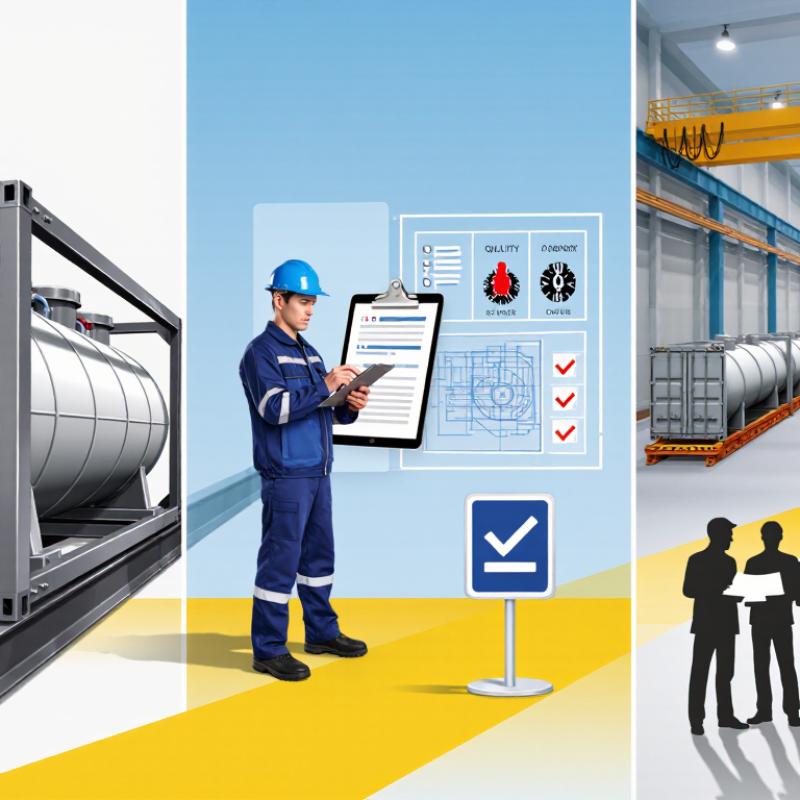
What LPG Tank Containers Are and How They Are Used
China Best LPG Tank Container Suppliers?
What LPG Tank Containers Are and How They Are Used
An LPG tank container is a pressure vessel held inside a protective frame. It transports liquefied petroleum gas, usually propane, butane, or a specified blend. Unlike a dry freight box, it is designed to contain pressurized liquid. Its valves, pressure-relief devices, welds, and inspection records matter as much as its capacity. Small details matter.
These containers can move by road, rail, and ship, reducing the need to transfer LPG between separate transport vessels. The ITCO 2024 Global Tank Container Fleet Survey estimated 801,800 tank containers worldwide at the start of 2024. That figure covers all tank types, not LPG units alone. UNCTAD’s Review of Maritime Transport 2024 reported that global maritime trade grew 2.4% in 2023, giving useful context for the freight networks tank containers use.
For buyers comparing suppliers in China, request drawings, pressure-test records, material specifications, valve details, and evidence of traceable inspections. Check that the proposed design matches the intended LPG composition and route.
A polished specification sheet is not enough. It may omit practical details, such as how fittings are accessed during checks. That gap deserves scrutiny: documentation and real handling conditions do not always align.
How to Evaluate Chinese LPG Tank Container Suppliers
China Best LPG Tank Container Suppliers?
How to Evaluate Chinese LPG Tank Container Suppliers
Choosing an LPG tank container supplier in China requires more than comparing quotations. Start with the engineering file: confirm design pressure, capacity, tare weight, connection layout, and compatibility with your handling equipment. Request material certificates, welding procedure records, welder qualifications, and documented pressure and leak-test results. Check that inspection methods and certifications suit the destination market and intended service. A polished brochure is not proof.
Visit the production site, in person or through an independent auditor, and follow one tank from plate cutting to final inspection. Look for controlled weld preparation, calibrated instruments, identification tags, and records tied to each unit. Ask how defects are corrected and how quickly replacement parts can be supplied. Speak with customers operating similar equipment. Delivery promises deserve scrutiny; port delays and custom interfaces can affect schedules. No audit catches everything. Treat unanswered questions as open risks.
Tips: Compare quotations line by line, including testing, documentation, accessories, and after-sales support. Request a sample inspection plan and a redacted quality dossier before paying a deposit. Keep technical questions in writing. Small details matter.
Supplier Capabilities, Certifications, and Product Options
A strong LPG tank container supplier should show more than a polished brochure. Ask for design drawings, pressure ratings, material records, and a clear inspection plan. Details matter. Look for traceable steel certificates, documented weld procedures, and non-destructive testing records. Ask how the supplier checks relief valves, valves, and connection points before delivery. Request sample test reports, not just verbal assurances.
Certifications should match the intended route and market. Verify the certificate issuer, scope, validity dates, and container type with the issuing body. Ask whether production inspections and pressure tests are witnessed by an independent inspector.
Product options may include different capacities, frame dimensions, valve arrangements, and connection layouts. Check that selected fittings suit the loading equipment at your terminals. Ask for drawings before confirming an order. Small mismatches can cause delays.
A reliable supplier should explain limits, lead times, spare-parts availability, and after-sales support in writing. Some documents may look complete but still omit important test details. Review them carefully, and have a qualified technical professional assess the design against your operating needs.
How to Select and Verify a Supplier for Your Requirements
Choosing an LPG tank container supplier starts with the intended route, cargo, and operating conditions. Share the required capacity, design pressure, connection types, insulation needs, and expected loading cycle. Ask for drawings and a clear specification sheet, then compare them line by line. A polished brochure is not enough. Check material records, inspection reports, pressure-test evidence, and traceability documents for the proposed unit. Confirm that the equipment and documentation suit your destination and service requirements. Details matter.
Tips: Request a sample document pack before ordering. Verify serial numbers against inspection records. Ask who handles maintenance questions after delivery. Keep the answers in writing.
A supplier should explain how each tank is inspected, repaired, and prepared for shipment. Ask to speak with a technical contact, not only a sales representative. If possible, arrange an independent inspection before dispatch, with attention to valves, weld areas, fittings, and markings. Check lead times, spare-part availability, and warranty terms in specific language. Vague answers deserve follow-up. A checklist cannot reveal every weakness, and some comparisons will still feel imperfect; note unresolved questions instead of guessing. Reliable selection comes from matching evidence to your operating needs, not choosing the lowest quote alone.
