
Blog

What Are the Top Wine Bottle Gift Boxes for 2026?

The best Wine Bottle Gift Boxes for 2026 will do more than make a bottle look special. They should protect the glass, feel easy to carry, and suit the occasion without creating unnecessary waste. A snug insert matters. So does a handle that stays comfortable when the box holds a full bottle. These small details are easy to overlook in product photos.

This guide compares gift boxes by practical features: material strength, bottle fit, cushioning, closure quality, presentation, and potential for reuse. It also considers whether a box works for one bottle or a paired set, and whether tissue, cards, or accessories fit without pressing against the glass. Paperboard styles can be light and polished; wooden boxes may feel substantial but add weight and storage needs. Neither is automatically better. The right choice depends on the recipient, budget, and how the gift will travel.

Before buying, check listed dimensions against the bottle, especially for wider shoulders or sparkling-wine shapes. Product photos rarely tell the whole story. Where available, recent buyer feedback can reveal whether hinges loosen, handles crease, or inserts shift in transit. Those details make the comparison more useful than appearance alone. Some packaging descriptions sound more certain than real-world use deserves. A decorative finish can scuff, and a magnetic lid cannot replace a secure insert. Keep that in mind. The picks ahead focus on visible, useful differences rather than grand claims, helping shoppers find a box that looks thoughtful and protects its contents. A little restraint helps.
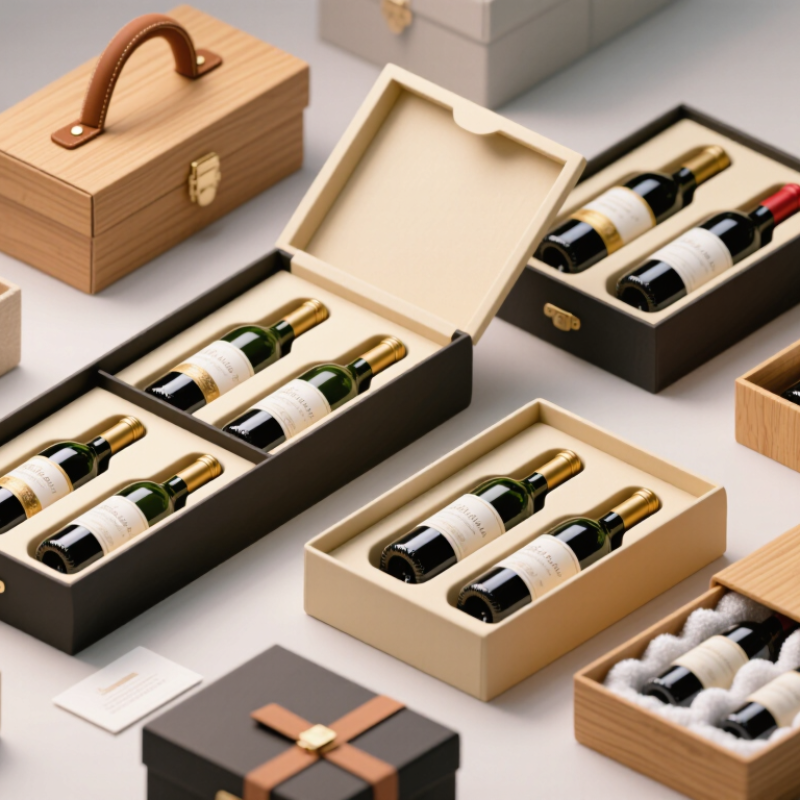
What Are the Top Wine Bottle Gift Boxes for 2026?

What Defines a Top Wine Bottle Gift Box in 2026?

What Defines a Top Wine Bottle Gift Box in 2026?

A top wine gift box protects the bottle before it impresses the recipient. Look for a snug insert that keeps glass from shifting, with reinforced corners and a closure that stays shut during handling. The bottle should lift out easily, without tugging at tissue or catching its neck. A useful test is simple: pack a bottle, tilt the box gently, and listen for movement. No rattle is a good sign. It is not a full shipping test, though.

Materials matter, too. Eurostat reported that 83.2% of paper and cardboard packaging waste was recycled in the European Union in 2022. That figure supports choosing widely recyclable paperboard, but it does not prove every decorative box is recyclable. Foil, magnets, plastic windows, and bonded layers can complicate sorting. Check the material details instead of relying on a “green” label. A top design also feels considered: clean edges, balanced color, and enough room for a short handwritten note. Small details count. Still, presentation can never replace reliable protection. That trade-off deserves a closer look.

Which Features Matter When Comparing Wine Gift Boxes?

A good wine gift box should fit the bottle snugly, with enough clearance for tissue or a card. Check the insert, not just the outer dimensions. A loose bottle can knock against the sides; an overly tight fit makes packing awkward. For delivery, look for reinforced corners and a closure that stays shut when the box is tilted. A lovely finish cannot compensate for a bottle that shifts in transit.

Compare materials with the occasion and the journey in mind. Rigid board feels substantial on a dinner table, while corrugated board can offer practical cushioning for shipping. Ask whether the insert is recyclable with the box, since mixed materials may complicate disposal. Trivium Packaging’s 2023 Global Buying Green Report found that 82% of surveyed consumers were willing to pay more for sustainable packaging. That is useful context, though it does not prove every wine buyer will choose a greener box.

Then inspect the details by hand: smooth edges, clean folds, and a handle that does not dig into your fingers. A window can show the bottle, but it may reduce protection and add another material. Small trade-offs matter. I still find it easy to overvalue appearance when comparing gift boxes; testing the fit with an actual bottle is less glamorous, and more revealing.

Wine Bottle Formats to Check Before Choosing a Gift Box

Common bottle formats vary in volume, from a 187.5 ml piccolo to a 1,500 ml magnum. Volume alone does not determine fit: check the bottle’s height and diameter against the box’s interior dimensions before buying.

How Do Materials and Designs Shape Box Quality?

Material choice affects protection, weight, and the first impression. Rigid paperboard holds its shape and gives printed sleeves a smooth surface. Corrugated board cushions bumps during delivery. Both have limits. Paperboard edges can dent, while thicker walls add bulk. A fitted insert keeps the bottle centered, but it should support the base and neck without pressing hard against the glass. Test the box with the actual bottle, not a similar-sized substitute.

Design details matter most when they solve a practical problem. A snug closure reduces movement, and a reinforced handle feels steadier when carrying a full bottle. Soft-touch finishes look refined, yet they may show fingerprints; glossy coatings can scuff under rough handling. Check the seams and corners, then place the packed box on its side briefly to see whether the bottle shifts. It is a simple test, not a guarantee. Some attractive boxes still feel flimsy once loaded, and I would not judge quality by appearance alone. A clear window adds display appeal, but it leaves less material protecting the bottle from knocks.

Which Gift Box Styles Suit Different Wine-Giving Occasions?

For a dinner invitation, a slim, single-bottle box feels thoughtful without seeming overly formal. Choose sturdy board with a snug insert that keeps the bottle from shifting. A small window can show the label, though it offers less protection from light. Add a simple note or a paper sleeve in a color that suits the occasion.

Weddings and milestone celebrations often call for more polished packaging. A two-bottle box with a divider works well when the wines are meant to be enjoyed together. For a workplace thank-you, a compact, neutral design is usually easier to carry and share. Keep it simple. Seasonal gifts can handle warmer colors, textured paper, or a fabric handle, but decoration should not make the box awkward to store.

Consider the journey as well as the moment of gifting. A magnetic-lid box looks refined, yet it may be less practical for repeated use than a hinged, reusable case. For delivery, prioritize a fitted insert and reinforced corners over a large decorative window. Match the box size to the bottle; excess space can allow movement, while tight packaging makes removal frustrating. I still find that one thoughtful detail often works better than several extras. A handwritten card, for example, adds warmth without crowding the presentation.

How Can Buyers Match a Box to Their Budget and Needs?

Match the box to the occasion, shipping distance, and number of bottles—not just its shelf appeal. For a modest budget, a sturdy folding-cardboard box with a fitted insert can protect one bottle without costly finishes. Keep it simple. For hand-delivered gifts, buyers can spend more on textured paper or a reusable presentation box. For courier delivery, prioritize a snug insert and crush-resistant outer packaging; a beautiful box is no help if the bottle arrives rattling.

McKinsey’s 2023 consumer research found that about 60% of surveyed consumers considered packaging’s environmental impact very or extremely important in purchasing decisions. That makes recyclable materials worth considering, but labels alone do not prove a box is easier to recycle locally. I would compare the material, insert, and finish together. An elaborate mixed-material box may look premium, yet be harder to sort.

Check capacity, protection, and unit cost before ordering in bulk. The International Organisation of Vine and Wine estimated global wine consumption at 221 million hectolitres in 2023, down 2.6% from 2022. That broad market signal is not a forecast for gift-box demand, but it supports a cautious approach: test a small quantity before committing. A practical box can feel thoughtful. It does not need to feel perfect.

What Are the Top Wine Bottle Gift Boxes for 2026? — How Can Buyers Match a Box to Their Budget and Needs?

Box Type Typical Box-Only Cost* Capacity and Protection Best Suited To Buyer Considerations
Foldable paperboard single-bottle box Approximately US$2–$6 per box Usually holds one standard 750 mL bottle; offers basic structure, with protection depending on the insert. Low-cost gifts, event favors, and lightweight retail packaging. Choose a fitted insert and check the box dimensions. Thin paperboard may provide less impact protection than a rigid box.
Rigid setup box with insert Approximately US$6–$15 per box Typically designed for one bottle; rigid walls help the presentation and resist everyday handling. Premium-looking personal gifts, client gifting, and special occasions. Costs more to ship and store than a flat-folding box. Confirm that the insert holds the bottle securely.
Two-bottle paperboard gift box Approximately US$5–$14 per box Holds two bottles with a divider; the divider helps prevent bottles from contacting each other. Paired wines, housewarming gifts, and small gift sets. Check the box length and divider layout, especially when mixing bottle shapes or sizes.
Wooden wine box Approximately US$12–$35 per box Commonly available for one or two bottles; offers a sturdy, keepsake-style presentation. Milestone gifts, presentations, and buyers who value a reusable container. Generally heavier and bulkier than paperboard, which can increase shipping costs. Check the finish and closure.
Molded-fiber or molded-pulp protective box Approximately US$3–$8 per box Formed inserts can cradle a bottle and help limit movement; outer packaging may be needed for gifting. Buyers prioritizing cushioning and fiber-based packaging materials. Confirm the complete packaging configuration, surface finish, and fit; protection varies by design and transit conditions.
Insulated bottle carrier or gift bag Approximately US$8–$20 per unit Usually carries one bottle; insulation can help slow temperature change but does not guarantee temperature control. Picnics, outdoor occasions, and gifts intended to be carried by hand. Check the carrying handle, closure, and fit. It is not a substitute for protective shipping packaging.

How to choose: Set a per-box budget, decide whether appearance, cushioning, reuse, or portability matters most, and verify the bottle fit before ordering. Prices are indicative planning ranges for the empty box only; actual costs vary by order quantity, materials, printing, inserts, supplier, and region. Many boxes are sized for a standard 750 mL bottle, but Burgundy-, Champagne-, and other wider or taller bottles may require a different fit. Wine and shipping are not included.