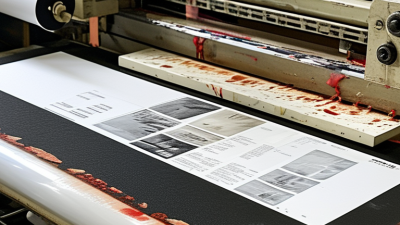
Why Choose Digital Label Printing for Your Business?
Digital Label Printing is changing how brands manage short runs, product variations, and urgent launches. A buyer can approve a design today and receive finished labels within days. There are no printing plates, fewer setup stages, and less material waste during preparation. This flexibility matters when a beverage producer tests three flavors or a skincare company updates seasonal packaging.
Industry evidence supports the shift. Smithers’ The Future of Digital Print for Packaging to 2028 projects strong growth across digital packaging, driven by customization, shorter runs, and faster production. FINAT’s European label market reports also identify digital technology as an important response to volatile demand and growing SKU numbers. These findings suggest practical value, not just promotional excitement. Still, digital printing is not automatically the best choice.
Printing educator and analyst Frank Romano has said, “Digital printing is not a replacement for conventional printing; it is a complement.” That distinction is important. Digital Label Printing can reduce inventory risk, but unit costs may rise on very large runs. Color matching, adhesive selection, finishing, and recycling requirements still need technical review. A label may look excellent on screen yet fail after refrigeration, abrasion, or condensation. That uncomfortable detail deserves attention. Businesses should compare run length, substrate, turnaround time, brand consistency, and total cost before switching. The strongest decision combines measurable production data with real operator experience. Reconsider the assumptions. Test one product first. Then scale with evidence.
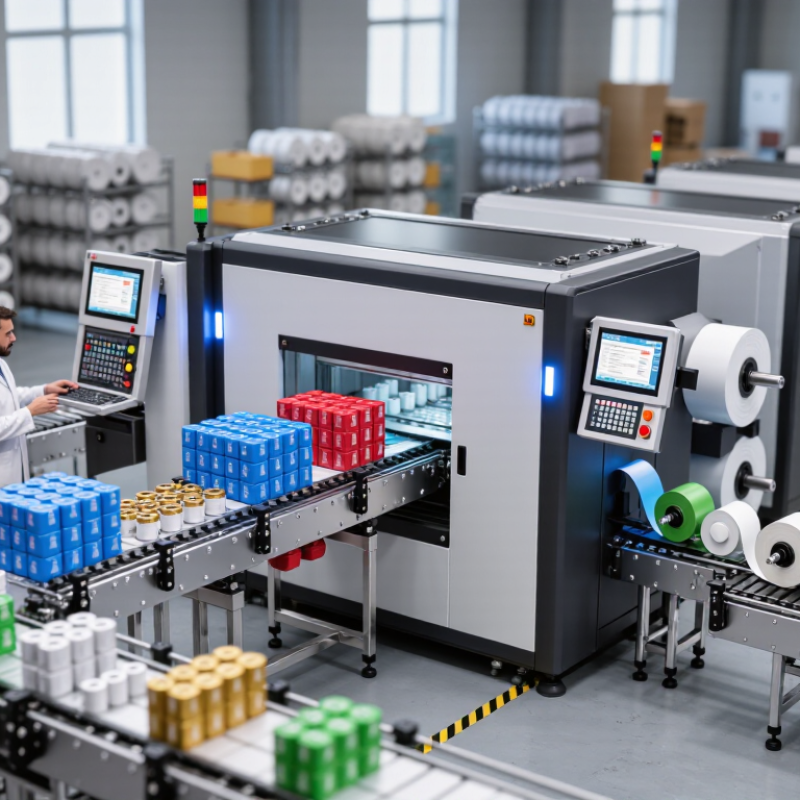
What Is Digital Label Printing?
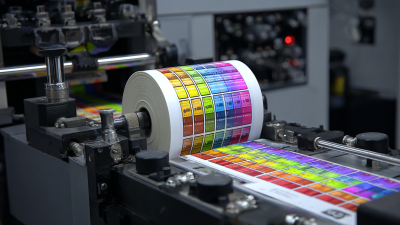
Digital label printing is a modern method for producing labels directly from digital artwork. It uses inkjet or toner-based systems instead of printing plates. This direct workflow reduces setup time and supports short production runs. It also allows each label to contain different text, codes, images, or product details.
For example, a small food producer can print 500 seasonal labels without ordering thousands. The process usually begins with file preparation, color checks, and material selection. Paper, film, adhesive strength, and surface texture all affect the final result. A label may look sharp on screen but appear dull on textured stock. Cold storage can also test the adhesive. Experienced printers often create a physical proof before the full run. It takes extra time. That step can prevent expensive reprints.
Tips:
Confirm the label size and bleed settings first. Test the material in its real environment. Check small text at actual size. Digital printing can reduce waste, but it is not always the cheapest option. Very large orders may suit other methods better. Some metallic effects and special finishes need additional processes. Poor artwork can still produce poor labels, even with advanced equipment. Human review remains important. Relying only on a screen is a common mistake.
How the Digital Label Printing Process Works
Digital label printing begins with a prepared artwork file, not a printing button. The operator checks dimensions, bleed, color profiles, and small text before production. A preflight review can catch a missing font or thin barcode. These details matter on a 50-millimeter label. After approval, the file enters a digital front end, which converts artwork into precise printing instructions. The machine then applies ink or toner directly onto the chosen material. There are no traditional plates to prepare.
The substrate may be paper, film, or another approved label stock. Its surface affects ink adhesion, color density, and drying speed. During printing, the operator monitors registration, gray balance, and edge sharpness. A short run can be inspected immediately. Variable information, such as batch codes or sequential numbers, can also be added during the same process. Finishing may include lamination, varnishing, slitting, and die cutting. I have found that quick setup reduces waste, but it can also encourage rushed approvals. That is where mistakes hide.
Tips: Keep a physical sample beside the screen. Check the first printed sheet under neutral light. Test barcode readability after finishing, not only before printing. Leave enough quiet space around critical text. If color matching is essential, approve a controlled proof first. A perfect screen preview is not always a perfect label.
Key Business Benefits of Digital Label Printing
Digital label printing gives businesses a practical way to produce accurate, flexible packaging labels. It removes the need for traditional printing plates, which can reduce setup time and preparation costs. This matters when products change often or sales demand remains uncertain. A small batch becomes possible. Businesses can test seasonal designs, limited editions, or regional packaging without storing thousands of unused labels.
Speed is another important business benefit. Digital systems can move a label job from approved artwork to production quickly. This supports shorter product launches and faster responses to customer feedback. Variable data printing also allows unique codes, names, or batch details on each label.
Production teams should still check every file carefully. A fast process cannot repair incorrect artwork or missing information.
Digital printing can improve consistency across short and medium runs. Modern presses control color, registration, and fine text with strong precision. However, results depend on material choice, ink performance, and operator experience. A glossy film may look attractive but create glare during inspection. Paper can feel natural, yet it may require more protection in humid conditions.
Businesses should request physical proofs and compare them under real lighting. That extra step may feel slow. It often prevents expensive reprints. Waste reduction is also possible because companies can print closer to actual demand, though careful planning remains essential.
Which Products and Industries Use Digital Labels?
Digital labels serve products that need flexible, accurate, and visually consistent packaging. They suit jars, bottles, pouches, cartons, tubes, and shipping boxes. Small runs matter. Businesses can print seasonal designs without storing thousands of outdated labels. Variable data also supports names, batch numbers, expiry dates, and scannable codes.
Food producers often use digital labels for sauces, snacks, beverages, and specialty ingredients. Clear product information remains essential, especially when recipes or pack sizes change. Cosmetic and personal care companies use them on small containers with detailed ingredient panels. Health product manufacturers may require precise identification, lot tracking, and durable materials. Retailers, subscription services, and independent makers also benefit from short-run labels.
Industrial applications include chemical containers, electrical components, equipment parts, and warehouse packages. These labels may need resistance to moisture, abrasion, oils, or changing temperatures. Material selection should follow real handling conditions, not assumptions. Details decide quality. A practical workflow checks artwork, barcode readability, color consistency, and adhesive performance before full production. Digital printing reduces setup time, but it cannot fix poor data or unsuitable label stock. That part is easy to underestimate. Businesses should test labels on the actual product surface and review them after transport, refrigeration, or shelf exposure. Results can vary. Costs may also rise for very large volumes, where conventional production sometimes remains more efficient.
Why Choose Digital Label Printing for Your Business? - Which Products and Industries Use Digital Labels?
| Industry | Typical Products | Common Label Requirements | Why Digital Printing Is Suitable | Relevant Digital Features | Typical Production Situation |
|---|---|---|---|---|---|
| Food and Beverage | Jars, bottles, cans, pouches, cartons, and refrigerated products | Ingredient information, allergen declarations, nutrition facts, barcodes, lot codes, and date fields | Supports frequent artwork updates, seasonal packaging, regional versions, and short production runs | Variable data, high-resolution graphics, quick file changes, and low setup requirements | Suitable for product launches, specialty flavors, limited editions, and multiple package sizes |
| Health and Personal Care | Cosmetics, soaps, shampoos, lotions, and wellness products | Product descriptions, usage instructions, ingredient lists, warnings, and multilingual content | Enables premium visual effects and cost-effective production of several designs without printing plates | Fine text reproduction, detailed images, color consistency, and version control | Useful for new product testing and product lines with many fragrances, formulas, or sizes |
| Pharmaceuticals | Medicine bottles, cartons, vials, tubes, and clinical trial packaging | Small text, dosage information, safety statements, batch identification, and regulatory details | Allows controlled production of different versions and supports variable information for traceability | Variable data printing, serialized fields, sharp text, and short-run flexibility | Often used when packaging requires multiple languages, frequent revisions, or limited quantities |
| Chemical and Industrial | Containers for cleaning products, lubricants, coatings, and maintenance chemicals | Hazard symbols, handling instructions, product specifications, barcodes, and compliance information | Handles durable label substrates and makes it practical to produce labels for many product formulations | Short-run production, variable information, strong color reproduction, and material selection | Appropriate for products with different hazard classifications, container sizes, or destinations |
| Retail and Private Label | Household goods, accessories, specialty products, and store-brand packaging | Brand design elements, product details, barcodes, prices, and promotional messages | Reduces preparation time for small campaigns and supports rapid changes to retail packaging | Personalization, multiple designs in one production cycle, and fast turnaround | Well suited to pilot products, promotional packaging, and demand-driven replenishment |
| Logistics and Warehousing | Shipping labels, carton labels, pallet labels, and inventory identification labels | Barcodes, addresses, order numbers, stock information, and tracking data | Prints unique information on each label and integrates efficiently with digital order workflows | Variable data, barcode generation, on-demand output, and database-driven printing | Commonly used for labels that change for every shipment, order, product, or destination |
| Agriculture and Horticulture | Seed packets, plant pots, fertilizer containers, and farm supplies | Crop information, usage instructions, batch data, product specifications, and barcodes | Supports many product varieties and seasonal designs without the cost of separate plates | Short runs, versioned artwork, variable data, and durable stock options | Useful for regional product ranges, seasonal inventory, and changing cultivation information |
| Electronics and Components | Electronic devices, cables, parts, accessories, and equipment packaging | Serial numbers, model information, technical specifications, symbols, and barcodes | Provides precise small-format text and variable identification for different components | High-resolution output, serialized data, barcode printing, and repeatable color quality | Effective for product variants, replacement parts, prototypes, and traceability labels |
| Wine, Spirits, and Specialty Drinks | Bottles, gift boxes, tasting packs, and limited-release beverages | Product identity, origin details, volume, alcohol information, lot details, and decorative graphics | Enables economical production of limited releases and visually complex designs | Variable artwork, high-quality imagery, multiple designs, and short-run efficiency | Particularly suitable for small batches, event editions, and personalized or seasonal packaging |
| E-Commerce and Subscription Products | Mailer boxes, promotional inserts, product seals, and subscription-package labels | Order information, customer details, promotional codes, shipping data, and product identification | Supports individualized packaging and frequent campaign changes without large minimum quantities | Personalization, variable data, on-demand printing, and fast artwork updates | Suitable for changing promotions, customer-specific messages, and small fulfillment batches |
How to Choose the Right Digital Label Printing Solution
Choosing the right digital label printing solution starts with the label, not the machine. A 2024 Smithers report forecasts the digital packaging print market will grow from about $22 billion in 2023 to nearly $37 billion by 2028. That growth reflects shorter runs, faster product changes, and stronger demand for variable content.
Measure your real workflow. Record monthly volume, average order size, substrates, ink requirements, and finishing needs. A solution suited to 500 labels may struggle with 50,000. Check production speed under normal conditions, not only the headline rating. Ask for samples on your actual stock. Small text, dark backgrounds, and synthetic materials reveal weaknesses quickly.
Color control deserves serious attention. Compare calibration tools, repeatability, drying performance, and inspection options. FINAT’s 2024 market reporting highlights continued pressure on converters to improve efficiency while managing volatile demand. Therefore, calculate total operating cost, including ink, waste, maintenance, labor, and downtime. Digital printing can reduce setup waste, but poor workflow design can quietly erase that benefit. It happens. Review software integration, operator training, service response, and future upgrade paths before signing. A carefully documented trial is more reliable than a polished sales presentation.
Why Choose Digital Label Printing for Your Business?
How to Choose the Right Digital Label Printing Solution
Digital label printing is especially suitable for short and medium production runs, variable data, multiple label versions, rapid turnaround, and on-demand inventory. The 1–5 values represent a transparent operational fit score, where 5 indicates the strongest practical advantage for digital production.
Related Posts
-
How to Choose the Best Digital Label Press?
-
10 Best Ways Quick Labels Boost Efficiency by 40 Percent in Labeling Process
-
Navigating Challenges in Quick Labels: Insights from Industry Data and Trends
-
Best QR Code Printers for Your Business Needs in 2026?
-
Excellence in Digital Label Printing Crafted in China for Global Impact
-
What Makes a Packaging Label Printer Essential for Modern Businesses