2026 Top Pressure Sensitive Labels Trends and Innovations?
The market for Pressure Sensitive Labels is evolving rapidly. By 2026, industry trends show significant growth in this sector. Reports indicate that the global Pressure Sensitive Labels market is projected to reach USD 48 billion. This demonstrates a compound annual growth rate (CAGR) of around 5%. Innovations are vital in meeting consumer needs and preferences.
Sustainability is a key driver in the label industry. Eco-friendly materials are gaining traction. Many companies are exploring biodegradable and recyclable label options. However, not all advancements perfectly align with sustainability goals. Some innovations lead to increased costs or complexity in production. This creates a challenging balance between progress and practicality.
Technological advancements, such as digital printing, are reshaping Pressure Sensitive Labels. Customization is becoming easier and cheaper. Yet, rapid changes can overwhelm some manufacturers. Not every player can keep pace with these shifts. The challenge is to stay relevant while ensuring quality and delivery efficiency amidst fierce competition.

Emerging Technologies in Pressure Sensitive Labels for 2026
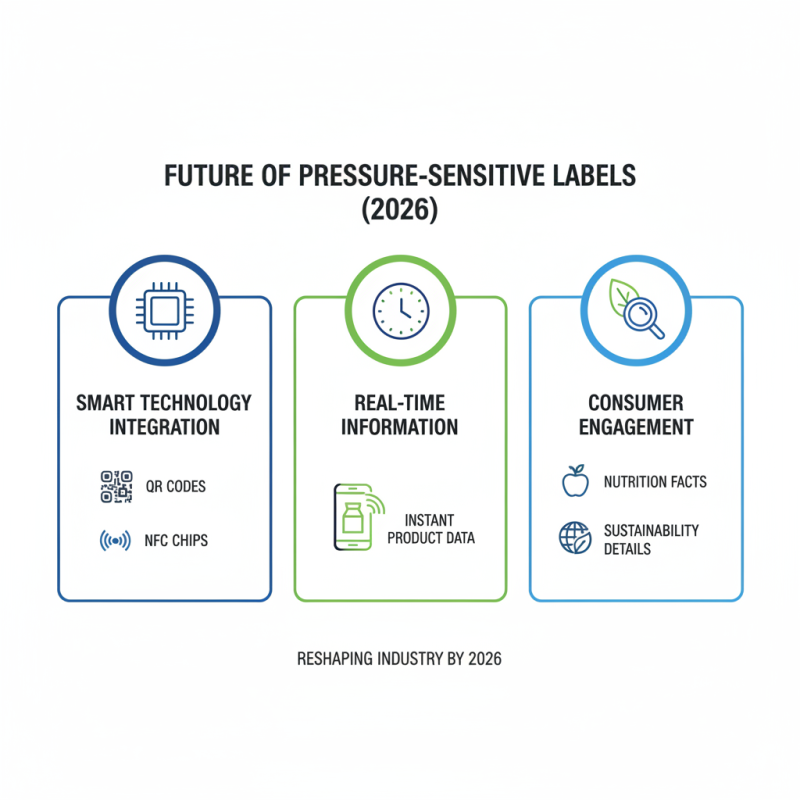
Emerging technologies in pressure sensitive labels are set to reshape the industry by 2026. One significant trend is the integration of smart technology, like QR codes and NFC chips. This advancement enables labels to provide real-time information. Consumers can scan products for nutrition facts or sustainability details.
Tips: Consider adopting such technologies to enhance customer engagement. They can provide value beyond the product itself. Potential drawbacks include costs and production complexity. Companies must weigh these factors carefully.
Another notable trend is eco-friendly materials. Brands are seeking sustainable options, such as compostable substrates and natural adhesives. This shift meets consumer demand for greener products. However, the transition may require changes in supply chains. Companies should ensure their suppliers can meet these new demands.
Tips: Test new materials on a smaller scale first. This approach can help identify issues before full-scale adoption. Be ready for unexpected challenges, as this process can lead to setbacks and adjustments.
Sustainability Trends: Eco-Friendly Materials in Label Production
The demand for eco-friendly materials in label production is rising. Brands are now prioritizing sustainable options. Recycled paper, for example, is gaining popularity. It offers an environmentally responsible choice without sacrificing quality. Consumers appreciate brands that care about the planet. This shift reflects their growing awareness of environmental issues.
Plant-based inks are another innovation reshaping the industry. These inks reduce harmful emissions and are less toxic. Using them is a step towards greener labeling. However, issues remain. Some manufacturers struggle with the consistency of plant-based inks. This inconsistency can lead to challenges in production quality.
Additionally, biodegradable adhesives are being explored. They allow labels to decompose naturally. Yet, the performance and durability can be questioned. Testing is crucial to ensure they meet industry standards. As the market evolves, continuous improvement is essential. The commitment to sustainability must also be genuine, not just a trend. Consumers can easily spot insincerity in marketing claims.
2026 Top Pressure Sensitive Labels Trends and Innovations
| Trend/Innovation |
Description |
Eco-Friendly Materials |
Expected Impact (2026) |
| Biodegradable Adhesives |
Utilizing adhesives that decompose naturally without harming the environment. |
Plant-based resins |
Reduce landfill waste by 30%. |
| Recyclable Films |
Labels made from materials that can be recycled along with packaging. |
Polyethylene (PE) |
Increase recycling rates by 25%. |
| Water-Soluble Labels |
Labels that dissolve in water, leaving no waste behind. |
Modified starch |
Eliminate 100% label waste in certain applications. |
| Sustainable Inks |
Inks made from renewable resources, reducing environmental impact. |
Soy and vegetable-based inks |
Cut carbon footprint from printing processes by 40%. |
| Digital Printing Technology |
Advanced printing methods that reduce waste and improve efficiency. |
Recycled substrates |
Lower production waste by 50%. |
Innovations in Adhesive Technologies for Enhanced Performance
The landscape of pressure-sensitive labels is evolving rapidly, particularly in adhesive technologies. Innovations are pushing the boundaries of performance. Reports show that the global pressure-sensitive label market is projected to reach $50 billion by 2026. This growth is driven by advancements in adhesive formulations.
Enhanced adhesion properties are now achievable through new resin types. These adhesives offer stronger bonding, even in extreme conditions. They also improve recyclability and sustainability. A recent industry study highlighted that 30% of consumers prefer eco-friendly label solutions. This change is a reflection of growing environmental awareness.
Tips: Evaluate the adhesive performance for specific applications. Test the labels under different conditions. Make sure adhesion is optimal to prevent failures.
Emerging technologies, like digital printing and advanced coating methods, are also prominent. They enhance the label’s visual appeal and durability. However, some manufacturers still struggle with consistency. Fluctuations in production quality can hinder performance. The challenge remains in balancing innovation with reliability in the manufacturing process.
Tips: Collaborate with technology providers. Stay informed about new developments. Regular training can improve understanding of adhesive properties and application techniques.
2026 Top Pressure Sensitive Labels Trends and Innovations
Smart Labels: Incorporating QR Codes and NFC Technology
Smart labels are revolutionizing the packaging industry. They incorporate QR codes and NFC technology. This innovation enables consumers to interact directly with products. Imagine scanning a label to access detailed information. You could learn about ingredients, diets, or sustainability efforts.
NFC technology allows for touchless exchanges. Simply tap your smartphone to a product for instant access. It’s fast and user-friendly. However, not everyone is comfortable with this technology yet. Some consumers still prefer traditional labels. This hesitance suggests a need for balance between modernity and familiarity.
As brands embrace these trends, they must consider various factors. Are consumers ready for this change? Sometimes the technology overwhelms rather than helps. Labels must remain easy to read and understand. Simplicity is key for effective communication. The challenge lies in merging smart technology with user-friendly designs.
Market Dynamics: Key Players and Growth Opportunities in 2026
The pressure-sensitive labels market is poised for significant growth by 2026. Research shows a projected CAGR of 4.6%, driven by the increasing demand for convenience and sustainability. More industries are adopting these labels due to their versatility and ease of use. They are critical in packaging, logistics, and product branding.
Key players in the market are focusing on innovations that enhance functionality. Eco-friendly materials are becoming a priority. Reports indicate that around 30% of consumers prefer products with sustainable packaging. This shift presents growth opportunities for manufacturers willing to invest in sustainable technology. However, challenges remain. Production costs for sustainable materials can be high. Achieving the right balance between cost and innovation is essential.
Emerging technologies are also making waves. Smart labels that use NFC and RFID offer added value. These innovations can improve supply chain efficiency. Yet, they may require substantial investment in infrastructure. As the market evolves, companies may need to rethink their strategies. Adaptability will be crucial in navigating the changing landscape of consumer preferences and technological advancements.