How to Choose a Product Label Printing Company in 2026?
Choosing a Product Label Printing company in 2026 is a practical decision, not just a search for the lowest quote. Labels must fit the package, survive handling, and remain readable under real storage conditions. A chilled bottle, a shipping carton, and a small cosmetics jar each create different demands. The right printer should ask about these details before recommending materials or finishes. Good questions matter.
Start by checking the company’s experience with your product type, order volume, and label shape. Ask for samples made with the proposed paper or film, adhesive, and print process. Then test them on your actual packaging. Press one onto a clean container. Leave another in a cool, damp place. Check whether the edges lift or the text becomes hard to read. A polished sample is useful, but a real-world test tells you more.
Reliable communication is another sign of a capable supplier. Request clear specifications, proofing steps, production timelines, and guidance on repeat orders. Confirm who checks artwork and how color differences are handled between batches. These small process details can prevent costly surprises. Price still matters, of course, but compare quotes only when materials, quantities, and finishing are alike. Otherwise, a low figure may hide a thinner stock or a service you assumed was included. I would not treat any single sample or sales promise as proof of consistent quality. There is room for judgment here. This guide explains what to ask, what to test, and how to compare companies with confidence—without assuming that the biggest printer is automatically the best fit.
What a Product Label Printing Company Does
A product label printing company turns artwork and product information into labels that can be applied reliably at production speed. Its work often includes file checks, material selection, color matching, proofing, printing, finishing, and delivery. A printer may flag tiny type, weak contrast, or a barcode that scans poorly before a full run begins. That practical review can prevent expensive reprints. It is not infallible, though; customers should approve a physical proof when color or surface texture matters.
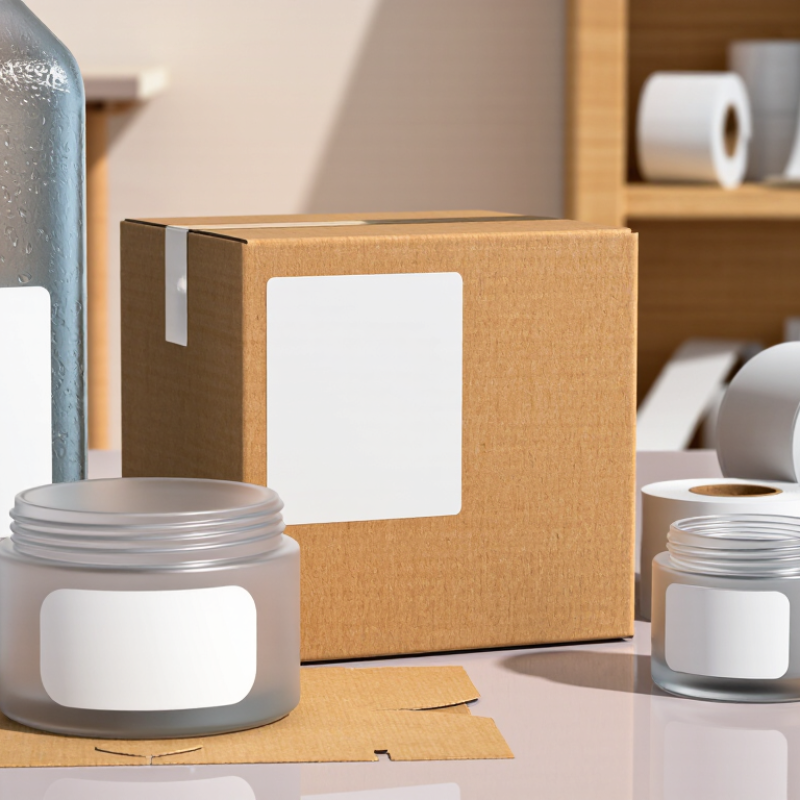
The company also helps match label construction to the product. A chilled bottle, a squeezable tube, and a dry carton place different demands on adhesive, face material, and coating. It can recommend rolls or sheets, test samples, and advise on finishes such as matte coatings or spot varnish. Ask how it checks color consistency and verifies barcode readability. Small details matter.
Market conditions affect planning, too. FINAT’s 2024 market reporting noted that European pressure-sensitive labelstock demand fell 6.3% in 2023. For buyers, that figure is a reminder to discuss material availability, lead times, and reorder quantities rather than assume every stock is immediately available. Request written specifications and a clear approval process. A rushed proof can still miss a real-world problem.
How to Define Your Label Printing Requirements
How to Choose a Product Label Printing Company in 2026?
How to Define Your Label Printing Requirements
Before requesting quotes, describe the label’s real working conditions. Note the package material, surface shape, application method, and exposure to water, oil, sunlight, or refrigeration. A label on a chilled glass jar faces different demands from one on a dry cardboard carton. Specify the finished size, roll direction, core diameter, and maximum roll diameter too. Small details matter. A mismatch can stop an automated line.
Set the expected quantity, order frequency, and acceptable delivery window. Then identify print requirements: colors, variable data, barcode type, and any minimum text size. The GS1 General Specifications provide barcode standards; ask for a scan test on the actual label stock, not just a screen proof. Smithers’ industry report, The Future of Label Printing to 2028, forecasts continued growth in label printing, reflecting demand for varied formats and shorter production runs. That makes flexibility worth discussing, but it does not replace checking your own costs.
Ask suppliers to quote the same specification and separate setup, materials, finishing, and freight charges. Request physical samples on your intended container. Check adhesion after application and after realistic storage; results can be a little untidy at first. Record what failed, revise the brief, and test again. A perfect-looking sample is not enough if it wrinkles on a curved bottle.
How to Evaluate Printing Quality, Materials, and Technology
Choosing a product label printing company in 2026 starts with evidence, not a polished sample folder. Inspect small text, sharp edges, and color consistency under neutral light. Check whether fine lines stay crisp and whether colors shift between samples. Small details matter. Ask for a press proof made with your intended artwork and label size.
Materials should match the product’s real conditions. A label on a chilled bottle faces moisture and temperature changes; one on a jar may meet oils or frequent handling. Request samples on the proposed material, then test adhesion on the actual container. Rub the surface, chill it, and check whether corners lift. No sample predicts every shelf condition, but practical tests reveal weaknesses early. Sometimes the first material choice is wrong; that is useful information, not a failure.
Ask how the printer controls registration, color, and inspection during production. Digital equipment can suit short runs or frequent design changes, while other processes may be more economical at higher volumes. The right fit depends on order size and detail. Ask how proofs are approved, how defects are tracked, and whether variable data is checked before delivery. A reliable company should explain its process clearly and provide measurable quality checks, not just promise excellent results.
How to Compare Pricing, Lead Times, and Production Capacity
A useful quote compares the same label, not just the same quantity. Specify dimensions, material, adhesive, finish, colors, and roll direction. Ask whether setup, proofing, shipping, and expected spoilage are included. A low unit price can hide separate fees. Small gaps matter. Compare prices at your likely order size and at one larger volume tier, since discounts may not apply evenly.
Lead times should include artwork approval, production, and delivery. Ask for a realistic schedule in business days, plus the date your shipment leaves the facility. A printer may quote five production days but need another week for materials or freight. Confirm how revisions affect the schedule. If your launch date is fixed, build in a buffer; approvals often take longer than expected.
Tips: Request a sample made with your intended stock and finish. Ask how many presses or production lines can handle your order, and whether capacity is reserved after approval. For repeat orders, check whether specifications and color references are recorded. Ask what happens if a machine is down. A confident answer should include a practical backup plan, not just reassurance.
How to Choose a Product Label Printing Company in 2026
Compare price, quoted lead time, and daily production capacity—not price alone. The sample figures below are illustrative; replace them with current, written supplier quotes for your label specifications.
Ask each printer to quote the same material, size, finish, quantity, and delivery terms. Confirm whether lead time starts after artwork approval and whether stated capacity is available for your order.
How to Verify Compliance, Support, and Long-Term Reliability
How to Choose a Product Label Printing Company in 2026?
How to Verify Compliance, Support, and Long-Term Reliability
A polished sample is not proof of a dependable process. Ask prospective printers for current quality procedures, material specifications, and records showing how they control revisions. Check that inks, adhesives, and face stock suit your product, storage conditions, and sales markets. Request a press proof on the intended material, then inspect small text, color consistency, barcode readability, and adhesion after handling. Keep the approved proof and specifications together. Details matter.
Compliance needs evidence, not confident promises. Ask how the printer documents lot traceability, inspection results, and corrective actions, and who alerts you when materials or production sites change. Requirements differ by product and market, so confirm obligations with qualified regulatory advisers. McKinsey’s 2024 supply-chain survey reported that nine in ten respondents experienced supply-chain challenges in the prior year. That finding makes backup capacity, lead-time transparency, and a named support contact worth checking—not just price. Ask for a realistic disruption plan and recent examples of resolving a print defect. No checklist catches every mismatch. I would still test a production sample before committing to a long run, even when the paperwork looks complete.