
What Is the Best Digital Label Press in 2026?
Choosing the best Digital Label Press in 2026 is not a simple race for the fastest engine. The right press must match a converter’s run lengths, materials, color needs, finishing line, and service support. A glossy sample is only part of the evidence. Ask how the machine handles a rush job on textured stock, or a repeat order with tight color tolerances.
The market is moving toward more digital capacity. Smithers’ report, The Future of Digital Printing for Packaging to 2029, forecasts continued growth in digital packaging print, driven in part by shorter runs and product variation. FINAT’s RADAR research also tracks converters’ changing priorities, including flexibility and investment decisions. These reports frame the opportunity; they do not prove that every shop needs a new press. Sean Smyth, a packaging-print analyst at Smithers, has emphasized the practical distinction: digital’s strength is flexibility on shorter, varied jobs, not automatic cost leadership on every run.
That matters when comparing inkjet and toner systems, inline finishing, uptime, and total cost per sellable label. A press that looks economical on paper can disappoint if changeovers consume a shift or service response is slow. No single model wins for every converter. The uncomfortable question is whether new capacity solves a real bottleneck—or merely looks impressive in a showroom. This guide compares the factors that matter, so buyers can judge the claims against their own jobs, operators, and production data.
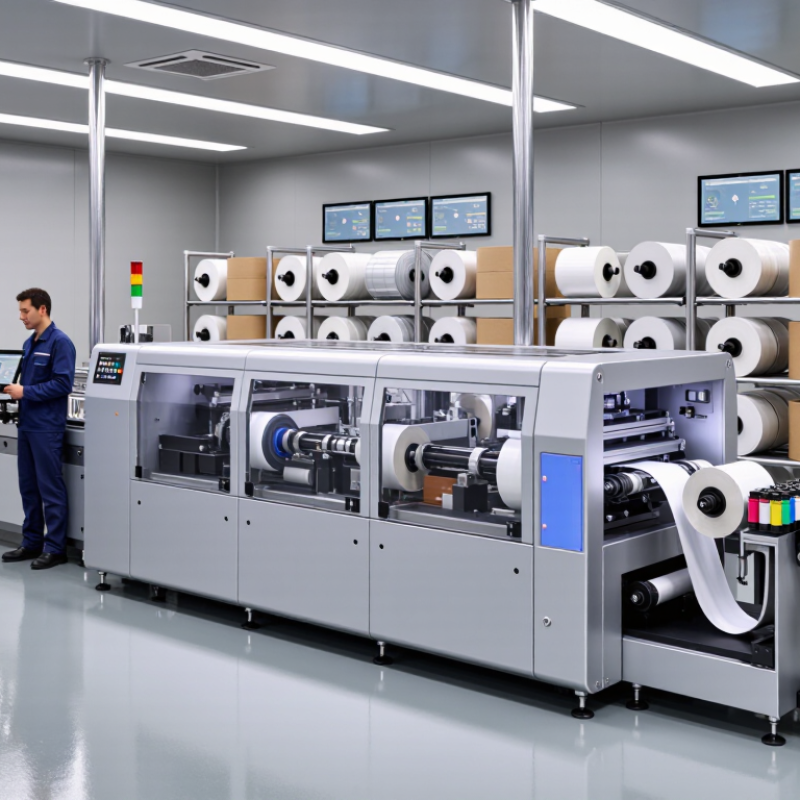
How Digital Label Presses Work and What They Produce
What Is the Best Digital Label Press in 2026?
How Digital Label Presses Work and What They Produce
A digital label press turns a prepared design file into printed images on a continuous roll of material. Its RIP software converts artwork into instructions for inkjet nozzles or an electrophotographic imaging system. The web moves through the press under controlled tension, while sensors help keep images aligned. Depending on the ink and substrate, drying or curing follows. A converter may then add varnish, laminate, cut shapes, and rewind the finished labels. Think small, precise steps.
The output can include variable text, barcodes, fine type, and short-run versions without making a new printing plate for each design. That suits frequent artwork changes and many product variations. Smithers’ The Future of Label Printing to 2028 projects continued growth in digital label printing, citing a 6.3% compound annual growth rate for 2023–2028. Growth is not proof that every job belongs on a digital press. Long, repeat orders may favor other methods, while specialty films can require testing for ink adhesion and finishing. A sample roll tells you more than a brochure. Real shops still encounter mismatches between screen colors and printed stock, so proofing under consistent lighting matters.
| Press technology | How it works | Typical strengths | Important considerations | Common label applications | Best fit when… |
|---|---|---|---|---|---|
| Dry-toner electrophotography | An electrostatic image is formed on a photoconductor, developed with toner, transferred to the label material, and fused with heat and pressure. | Consistent color on many paper and some synthetic stocks; quick job changes; well suited to short runs and variable information. | Heat-sensitive materials may need qualification. Toner appearance and finishing compatibility can differ from inkjet output. | Product labels, short-run packaging labels, promotional labels, and versions with changing text or codes. | Frequent artwork changes, moderate quantities, and broad substrate choice are priorities. |
| Liquid-toner electrophotography | Charged image areas attract pigment carried in a liquid imaging system. The image is transferred to the substrate and fixed as the carrier is removed. | Can produce smooth color transitions and fine image detail; digital setup supports economical job changes compared with conventional plate-based printing. | Performance depends on the press, substrate, and finishing line. Material compatibility and production economics should be tested for the intended job mix. | High-quality branded product labels, multi-version packaging, and jobs requiring detailed imagery. | Image quality and frequent version changes matter more than choosing a press solely by maximum rated speed. |
| UV inkjet | Printheads deposit small drops of UV-curable ink, which is hardened by ultraviolet light during or immediately after printing. | Can print on a range of coated and synthetic label materials; curing is rapid, and some systems support opaque white ink. | Adhesion, flexibility, scratch resistance, and compliance requirements vary by ink and material. Testing is essential for the final application. | Durable product labels, clear-film labels, short-run packaging, and labels that need white ink or special effects. | Substrate versatility, rapid curing, or printing white on transparent or colored material is important. |
| Water-based inkjet | Printheads place water-based ink droplets onto a receptive label surface; the ink is dried, often using heat and controlled airflow. | Suitable systems can deliver high-quality color output and are used for paper-based labels and applications with specific ink requirements. | Usually needs compatible, ink-receptive material and effective drying. Water resistance and durability depend on the ink, coating, and any protective finish. | Paper product labels, food and beverage labels, and other jobs using compatible coated stocks. | Paper-based work and the requirements of the ink or end-use application guide the decision. |
| Choosing a press for production | Digital presses image each job from electronic data, so artwork can change between copies without changing printing plates. | Enables short runs, multiple versions, on-demand production, and variable data such as unique codes or sequential information. | Rated press speed alone does not determine output. Include setup, material changes, drying or curing, inspection, finishing, and stoppages when estimating throughput. | Short-run and on-demand labels, seasonal designs, regional versions, personalized labels, and variable-data work. | Compare presses using actual jobs, required materials, finished-label quality, total cost per saleable label, and production workflow. |
| Finishing and final label construction | Printed web material may be laminated or varnished, die-cut, stripped of waste, inspected, and rewound or sheeted. | Finishing converts printed stock into usable labels and can add protection or improve the surface appearance. | Not every press includes an inline finishing system. Adhesive, face stock, liner, die geometry, and application conditions also affect the finished label. | Pressure-sensitive roll labels, finished sheets, and labels requiring protective coatings or lamination. | The press and finishing equipment are evaluated together against the finished product and delivery requirements. |
Related Posts
-
Top Digital Label Press Trends for 2026 What Buyers Need to Know?
-
2026 Best Business Label Printer for Global Buyers
-
Top 10 Package Label Printer Manufacturers from China at the 137th Canton Fair
-
Top 10 Package Label Printers for Global Buyers
-
10 Best Business Label Printers for Global Buyers
-
Unlocking the Power of Best Food Packaging Label Printers with In Depth Technical Specifications and User Guide