Top Food Packaging Label Printers for Global Buyers
Food labels carry more than a brand name. They must stay readable on chilled packs, curved bottles, and flexible pouches while production lines keep moving. Smithers’ report, The Future of Label Printing to 2028, projects continued growth in global label demand. That growth raises practical questions for buyers: Can a printer handle short runs, changing artwork, and dependable color without slowing packing?
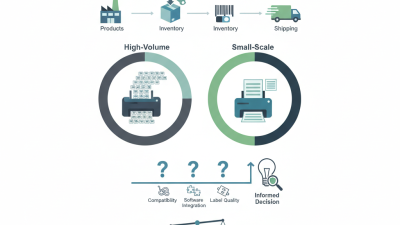
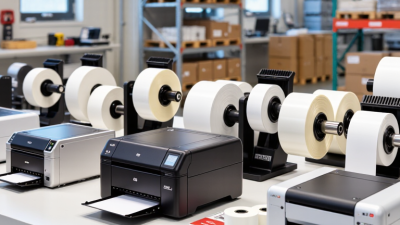
A Food Packaging Label Printer should match the product, substrate, and working environment. Direct thermal systems can suit short-life labels, while thermal transfer often supports durable identification. Inkjet and digital presses may offer flexibility for variable data and frequent design changes. But specifications alone do not settle the choice. Ask for a sample printed on your actual material. Check small text, barcode contrast, adhesive performance, and legibility after refrigeration or handling. Small details matter.
For global buyers, service access and consumables deserve equal attention. Compare print speed under real production conditions, not only headline ratings. Review software compatibility, operator training, spare-part availability, and support across time zones. PMMI’s industry research regularly highlights automation and workforce needs in packaging operations; a capable printer still depends on a workable process around it. No model fits every line. That is worth admitting. The printers in this guide are assessed through practical buying criteria, including print quality, integration, operating costs, and supplier support. Before choosing, confirm the exact application with the vendor—and test it on the line where the label will live.
What Food Packaging Label Printers Do in Global Supply Chains
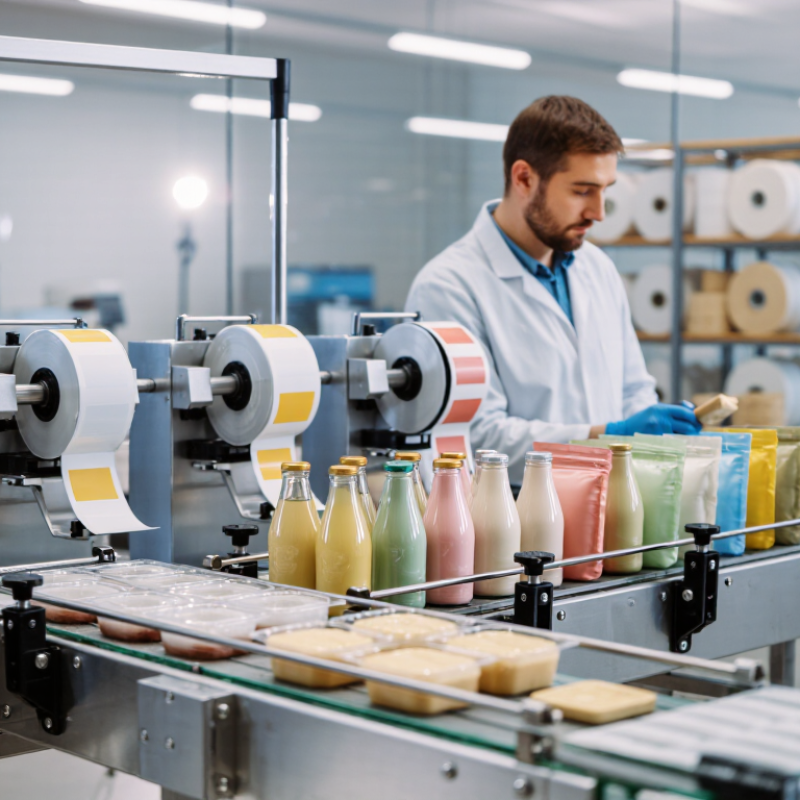
Food packaging label printers turn product and batch data into readable information at the point of packing. They print ingredients, dates, lot codes, barcodes, and destination-specific language onto labels or flexible packaging. On a busy line, a clear code can help warehouse staff scan a case, rotate stock, and identify affected batches if a quality issue arises. Details matter.
The scale of food loss makes reliable identification worth attention. FAO’s 2023 report on SDG indicators estimates that 13.2% of food was lost after harvest and before retail in 2021. UNEP’s Food Waste Index Report 2024 estimates that 19% of food available to consumers was wasted across retail, food service, and households in 2022. Labels cannot solve these losses, but accurate dates and batch data can support stock control and targeted recalls. Not magic.
In global supply chains, printers must handle different package materials, line speeds, and data systems. A label that scans in the packing room may still fail under condensation, abrasion, or poor placement. Routine checks should test real packages, not just clean samples. And there is a weak link: bad source data can produce a perfectly printed mistake. Printers improve information flow; teams still need to verify the information going in.
Printer Technologies and Label Materials for Food Packaging
Food packaging labels face cold rooms, condensation, oily fingers, and fast production lines. The printer must match the label stock and the handling conditions. Flexographic printing suits long, repeat runs; digital inkjet can handle shorter runs and frequent artwork changes. Thermal-transfer printing produces crisp variable data, such as lot codes, when paired with a suitable ribbon. Direct thermal is simpler, but heat and abrasion can fade its image. Conditions vary.
Material choice matters just as much. Paper labels can work well on dry cartons, while polypropylene or polyethylene films often tolerate moisture better. For chilled packs, test adhesive performance on the actual surface, especially when it is damp or textured.
FAO’s 2023 report estimated that 13.2% of food was lost globally after harvest and before retail in 2021. Clear dates and readable batch codes can support stock rotation and traceability, but labels alone cannot prevent food loss. Test the real pack. Check ink and adhesive suitability for the intended packaging use, then assess scuffing, condensation, and legibility after refrigeration. A specification can look perfect on a sample roll and still fail on a fast, wet line.
Key Criteria for Comparing Food Label Printer Manufacturers
When comparing food packaging label printer manufacturers, test the machine with your actual label stock, ink, and production speed. A glossy sample proves little. Ask for print samples showing small ingredient text, sharp barcodes, and lot codes after exposure to moisture or cold storage. Check whether routine cleaning and roll changes require special tools. Small delays add up.
Reliability matters as much as print resolution. Request documented uptime, maintenance intervals, spare-parts lead times, and service coverage in your operating regions. The FAO’s The State of Food and Agriculture 2023 estimates that 13.2% of food was lost between harvest and retail in 2021. This does not show that better labels prevent food loss, but it highlights the value of dependable identification through supply chains. No printer solves every traceability problem.
Also assess whether the manufacturer can support changing label formats, production-line integrations, and quality checks. The UNEP Food Waste Index Report 2024 estimates that 1.05 billion tonnes of food were wasted in 2022. Clear, consistent product information is one practical part of handling products accurately, not a standalone fix. Ask suppliers how they verify print legibility and detect missing or incorrect labels. Then compare total operating costs, not just purchase prices. The cheapest offer can become expensive. Audits may miss awkward details, so inspect a real production run before deciding.
Food Labeling Regulations Across Major Global Markets
For global buyers, food-label compliance begins before a printer is selected. Rules differ by market, product type, and package size. A label prepared for one country may need new text, symbols, or nutrition information elsewhere. Small details matter: a missing allergen emphasis or unreadable date can delay a shipment.
In the United States, labels generally need a product identity, net quantity, ingredient list, allergen disclosure, and nutrition information, subject to applicable exemptions. Canada commonly requires English and French text. In the European Union, allergen information must be clearly highlighted, and mandatory particulars should appear in a language consumers understand. Australia and New Zealand follow shared food standards, while China requires Chinese-language labeling. Requirements can change, so verify current rules for each destination.
Printers should support crisp small text, consistent color, variable dates, and frequent artwork changes. Test labels on the actual packaging; curved tubs and cold, damp surfaces can affect legibility. Keep approved artwork and print records for each market. A checklist helps, but it can create false confidence. Teams should have qualified reviewers check the final label, especially when recipes or export destinations change. Even experienced teams can overlook a translation detail.
How to Match Printer Capabilities to Food Packaging Needs
Top Food Packaging Label Printers for Global Buyers
How to Match Printer Capabilities to Food Packaging Needs
Choosing a printer starts with the package, not the machine. A label on a chilled yogurt cup faces different conditions from one on a dry cereal carton. Check the actual surface, including textured film, coated paper, or curved containers. Then test adhesion after refrigeration, condensation, and routine handling. A label that looks perfect at room temperature may lift near a cold filling line.
Match print technology to production speed, image detail, and the information that changes. Thermal transfer can suit durable labels, while direct thermal printing may work for shorter-life applications. Fine ingredient text and small codes need sufficient resolution and contrast. Variable batch details also require reliable data handling. Speed matters, but only when print quality stays consistent across a full shift. Test with real artwork. Use your intended label stock and packaging, not a convenient substitute. Check for smearing, fading, and readable codes after abrasion or moisture exposure. Ask suppliers for sample runs and documented performance details, then compare them against your line conditions. One detail is easy to miss: operators need a practical way to reload media and clear jams. I have seen specifications look convincing on paper, yet setup still slows the line. That deserves a trial.